
A few months ago, I found myself doing what I often do: Searching on Pinterest, Cosmos, and every corner of the internet that might interest my eyes. But this time, I had a very specific destination in mind: vintage editorials of Black women photographed in the streets, I said it was very specific !
Then, I reached a wall. There was so little of it.
And when I did stumble across those rare images, they often where, carefully orchestrated productions where every light, every pose, every detail had been perfected to the point of loosing the natural. They were beautiful, of course. But it wasn’t what I was look for, I needed something more instinctive, more human. I wanted to see women occupying the city with ease, in photographs that felt less like orchestrated and more like a sort of memory. I tink that the absence of these photos was what became the beginning of this project.
Somehow, between the tons of projects that filled my curent liffe, I managed to protect one day every weekend throughout June. It became non-negotiable. A small window of time dedicated to building the kind of imagery I couldn't find. I found an incredible casting director who was quick and precise, and soon enough we had assembled five women, five wonderfull women.
And I wanted them to feel confortable, and completely free of my eye, for some it was easier than others. So before we took a single photo, I told each of them the same thing.
"Don't think of this as an editorial. Think of it as a girls' day out. I'm simply the friend who happens to have a camera and enjoys taking pictures."
I think that this sentence changed their perspective. As models, and I say this as one myself, we spend so much of our careers embodying other people's ideas. A photographer's perspective. A stylist's fantasy. A creative director's narrative. For this project, I wanted the opposite, I wanted those women to lead. If they wanted to dance, they danced. If something made them laugh, they laughed. If they wanted to stop to admire a storefront, sit on a pavement, model pose, wander down another street, or simply let the afternoon unfold naturally, they did. There was no choreography beyond curiosity, no expectations. I wasn't interested in directing personalities, I wanted to witness them.
The conversations became just as important as the photos.
I later prepared questions, not as an interviewer, but as someone genuinely curious about the women standing in front of my eyes. We spoke about fashion, about entering an industry that still has much to learn about representation, about moving through the world as Black and mixed-race women, about identity, beauty, their relationship with their bodies, and the people who continue to shape their imagination.
I don't know how many people will read this project. Maybe very few. And that's alright. I only hope it reaches the people who need it or the people who are simply curious enough to listen. Because, as a child, I was both. Because every portrait carries a story. Sometimes, all it needs is the space and time to be told.
These are the fashion stories of five wonderful women.
RAPHAËLLA
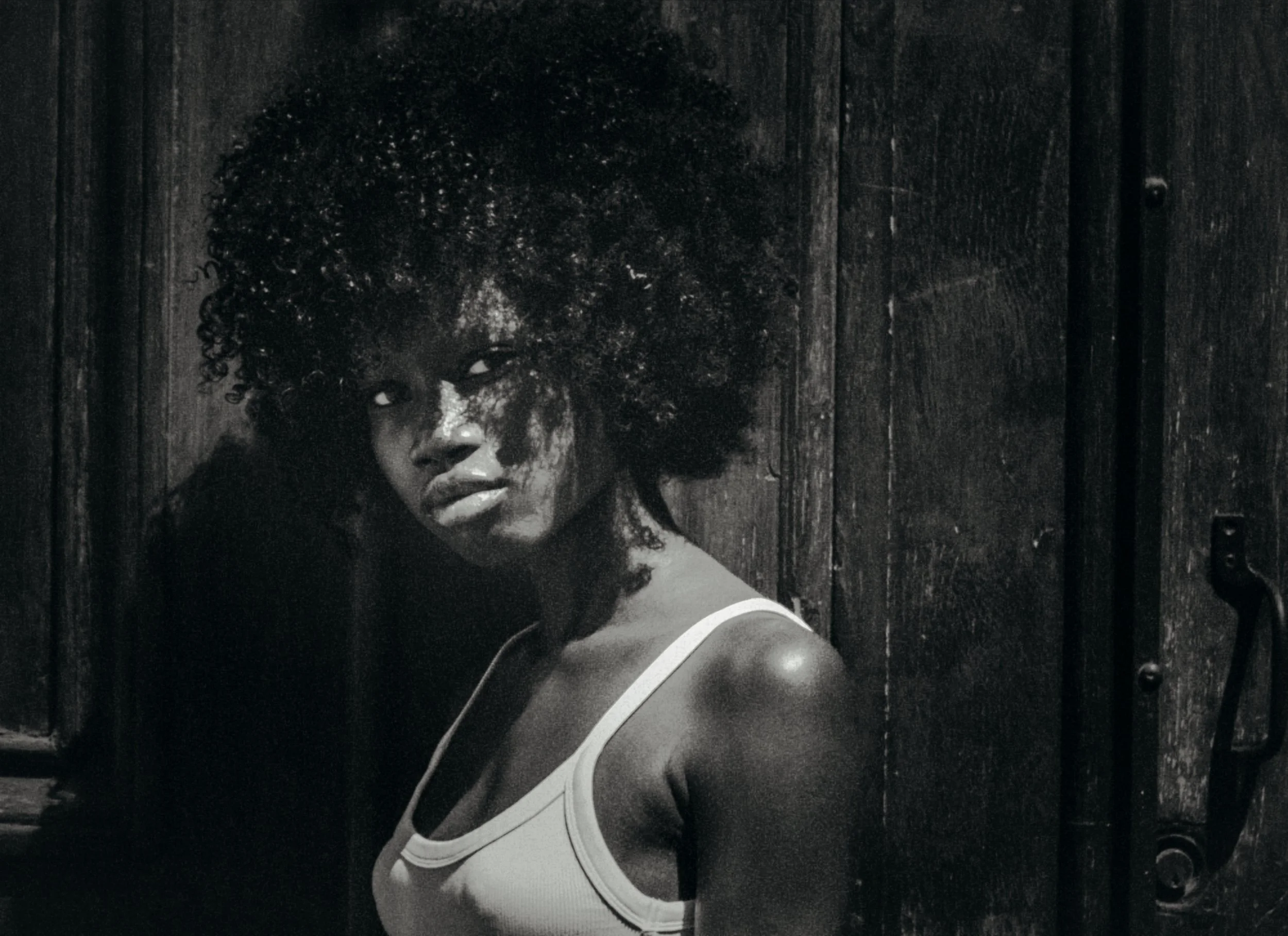
Raphaëlla recently moved to Paris. She is still finding her rhythm in this city, discovering new streets, new places.
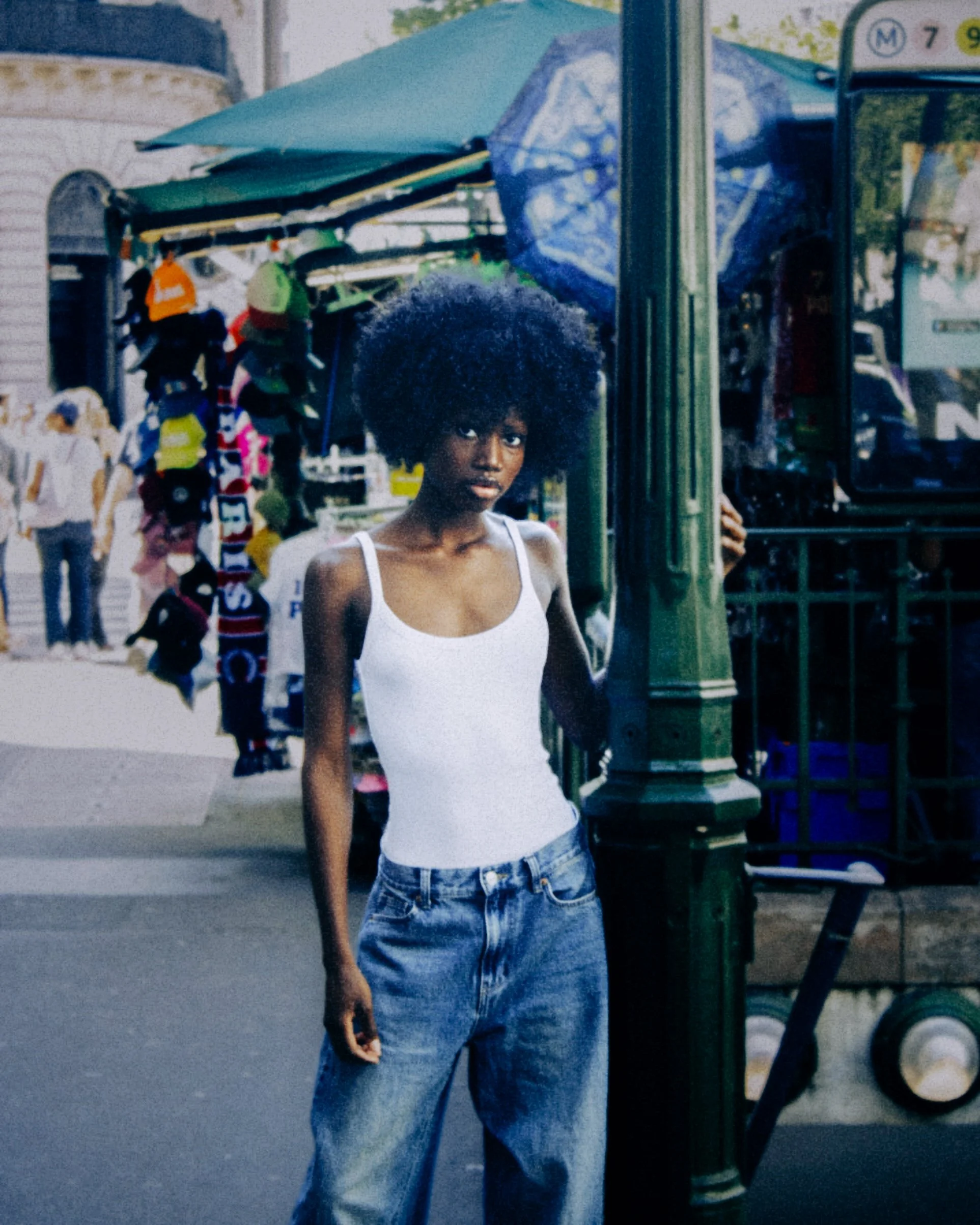
When we met, it was a sunny afternoon in the middle of Paris. We spent the two hours walking, talking, and of course I took pictures of her. Somewhere between conversations about how unbearable the weather was (at least according to me), magazines, editorials, and the people who inspire us, I met a young woman who knows where she is going..
A few days after the shoot, I sent Raphaëlla a series of questions. I wanted to understand her relationship with fashion beyond the images.
Growing up, did you see women who looked like you represented in fashion magazines, campaigns, films, or on runways? How did that representation, or lack of it, shape the way you viewed yourself?
"When I was younger, it was rare to see Black women represented in fashion magazines, advertising campaigns, or even on runways. Over the years, diversity in the fashion industry has become much more visible and embraced. For me, this had a significant impact because it was at that moment that I realized we have a place in this industry and that we can also build a future within it. Seeing more women who looked like me represented in fashion gave me confidence and allowed me to envision myself in this field."
Before it becomes a conversation about diversity, representation is something deeply personal. It shapes the way we see ourselves long before we have the words to describe it. The images we grow up with tell us who is and needs to be celebrated, who is desirable, who belongs, and who is allowed in those spaces.
As a dark-skinned, curvy Black woman, I didn't always see myself reflected in those images. It took time before I truly embraced my skin, my body, hair and the image I had of myself. Not because there was anything to change, but because there were so few examples reminding me of what I could achieve.
Then I discovered Lupita Nyong'o.
Seeing a woman whose complexion looked like mine celebrated so unapologetically changed something in me. And when she won the Academy Award, that feeling became even stronger. I remember thinking, we can go this far. We can be recognised. We can be celebrated. We can belong in places that, for so long, didn't seem to have been built with us in mind. So, it made me curious, who had played that role for Raphaëlla…
Are there designers, models, photographers, artists, fashion magazines, or cultural figures who have influenced the way you think about beauty, style, or identity?
"When I discovered models such as Naomi Campbell, Winnie Harlow, Anok Yai, and Iman, I realized that it was possible to succeed in this industry while fully embracing your identity…Their journeys inspired me and helped me develop greater self-confidence. More broadly, the increasing diversity within the fashion industry has changed the way I view beauty. I came to understand that beauty is not limited to a single standard but exists in many different forms, colors, and cultures. This has encouraged me to be proud of who I am and to believe that I, too, have a place in this industry."
Do you feel that your cultural background, heritage, or family history influences the way you dress today? Whether consciously or unconsciously, where do you see those influences appear?
"Yes, I believe that my cultural background and family history influence the way I dress today. Growing up in a Caribbean family, I was surrounded by strong values of self-expression, confidence, and pride in who I am.
These influences can be seen in my appreciation for bold colors, elegant silhouettes, and clothing that allows me to express my personality. My culture has also taught me the importance of presenting myself with confidence and authenticity. Even when I follow contemporary fashion trends, I like to incorporate elements that reflect my identity and heritage. For me, fashion is not only about style but also about expressing where I come from and who I am."
I will be honest, I smiled when I read her answer.
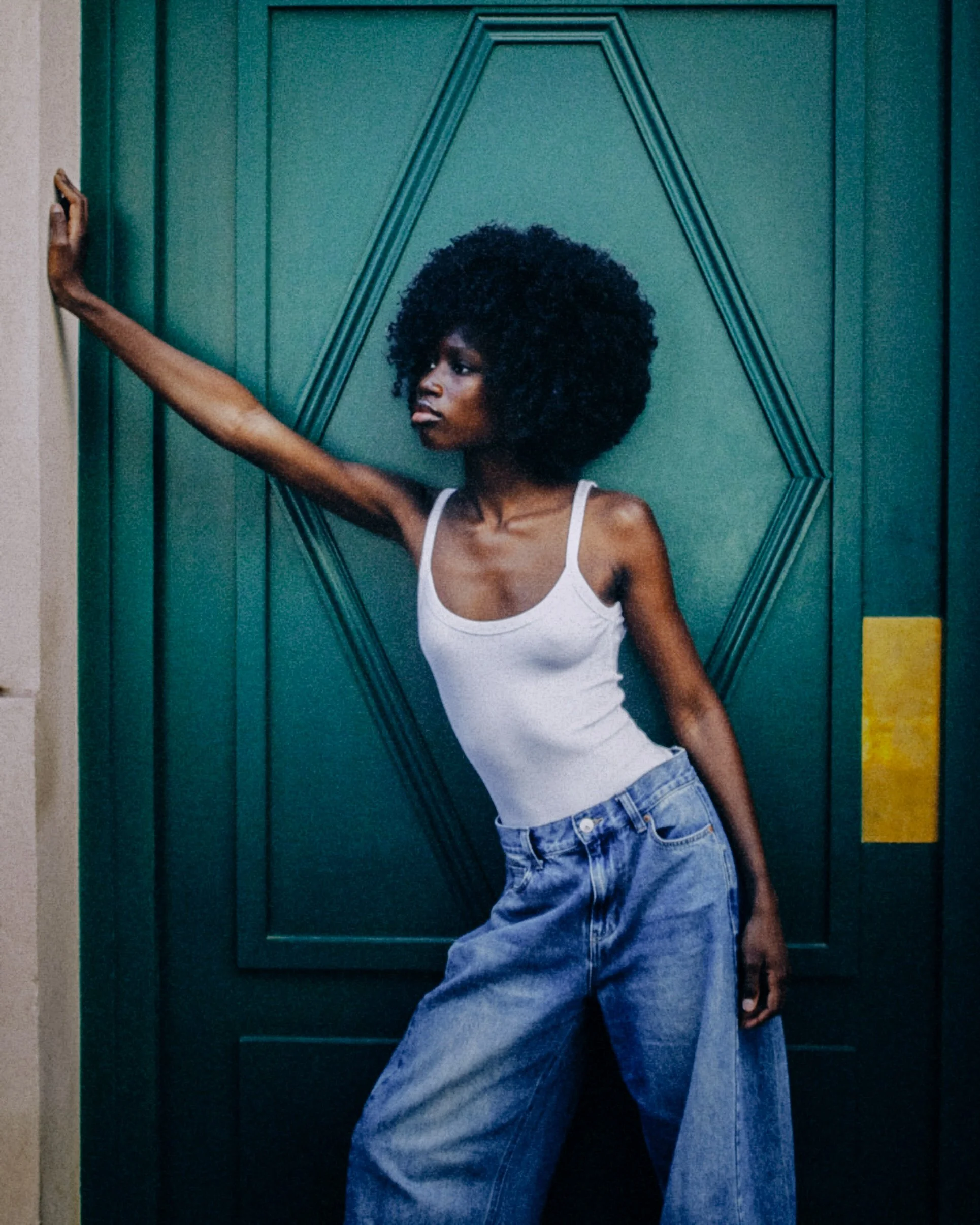
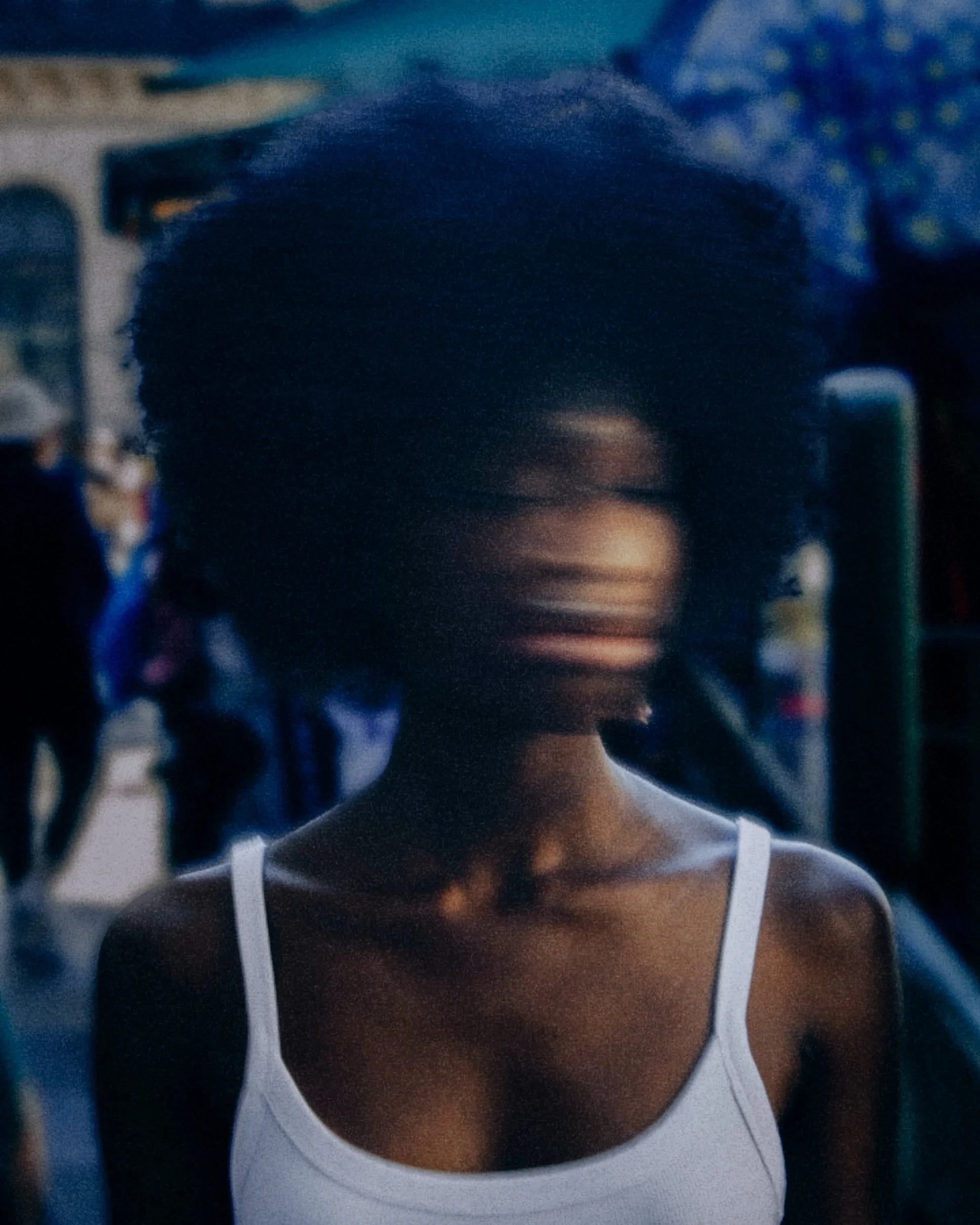
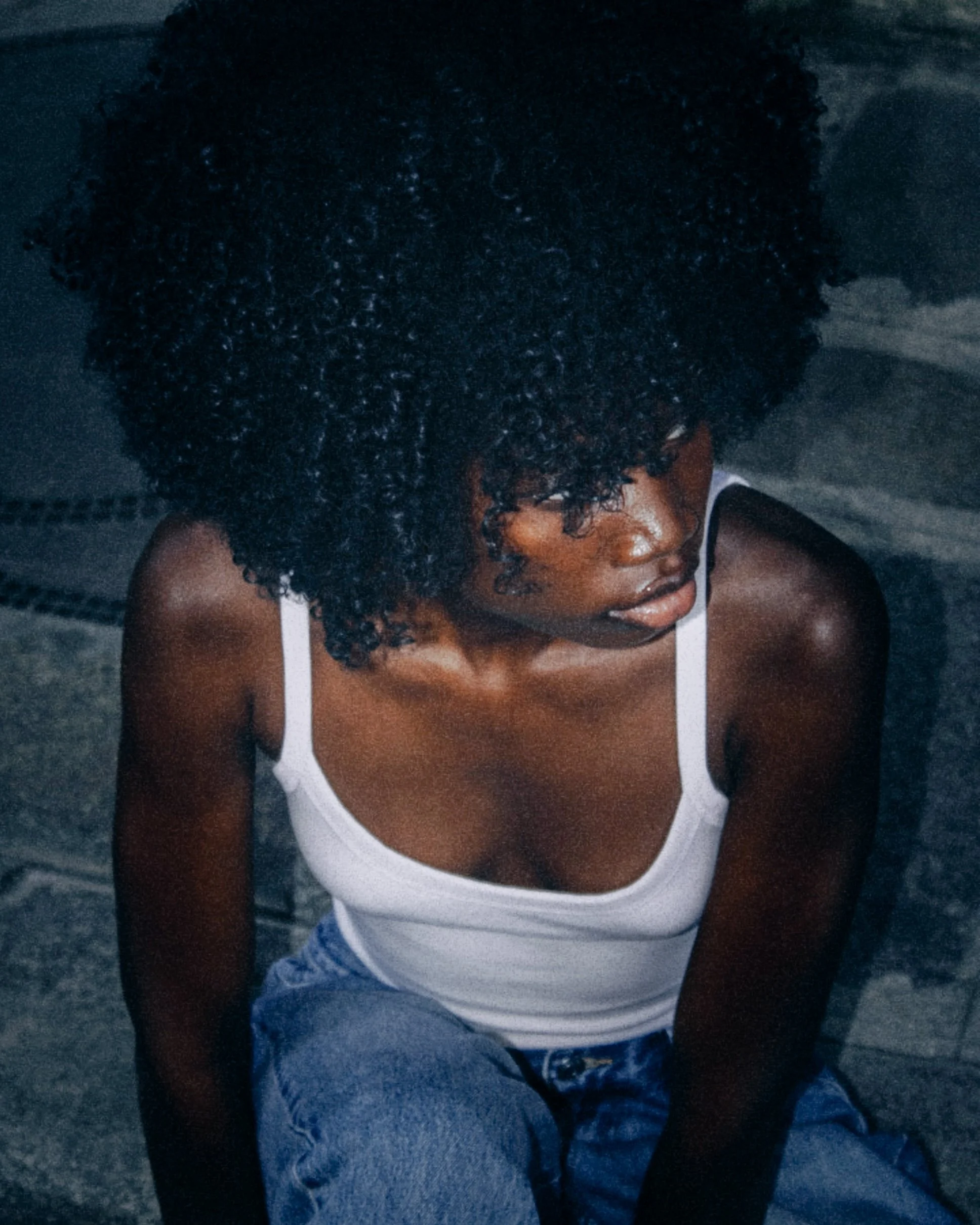
She spoke about bold colours, yet the day we met she was wearing what most people would probably describe as the simplest outfit imaginable: a white tank top and a pair of blue jeans. Basic? Maybe.
But I believe fashion has never been about individual pieces alone. A white tank top is just a white tank top. A pair of blue jeans is just a pair of blue jeans. I feel like it’s exactly like looking closely at a Claude Monet painting, every brushstroke, every dot of colour is beautiful on its own, but the full beauty, and the meaning only appears when you step back and see the whole composition. The same is true of getting dressed, I believe…
It's the person wearing the clothes, the attitude, the proportions, the movement, the intention. Simplicity, I am convinced, is one of the hardest things to wear.
On Raphaëlla, that combination felt completely intentional. Effortless, yet considered. It reminded me of those off-duty supermodel photographs caught by paparazzi, you know the ones where nothing seems overstyled, but everything falls perfectly? The clothes aren't asking to. They simply guide your eye towards the woman wearing them.
I loved that. I mean, it was refreshing to see such an understated look on a Black woman. Fashion has often expected Black women to be spectacular, to do much more , just to be considered, brighter, more extravagant. There is beauty in that too of course, and later in this story you'll meet Brondy who embrace colours and texture. But Raphaëlla reminded me that a white tank top and blue jean can be just as powerful.
The truth is, I strongly believe confidence has always been the boldest look of all. And Raphaëlla proved it in the very last question I asked her.
What is the most beautiful thing fashion has given you beyond clothing itself?
"The most beautiful thing fashion has given me beyond clothing is confidence. Fashion has allowed me to express who I am, embrace my identity, and feel comfortable in my own skin."
Maybe that's what I took away most from our couple of hours together. Fashion doesn't always need to transform us. Sometimes, its greatest gift is simply giving us the confidence to become more ourselves. And I think this is great end to this first fashion story.
AWA
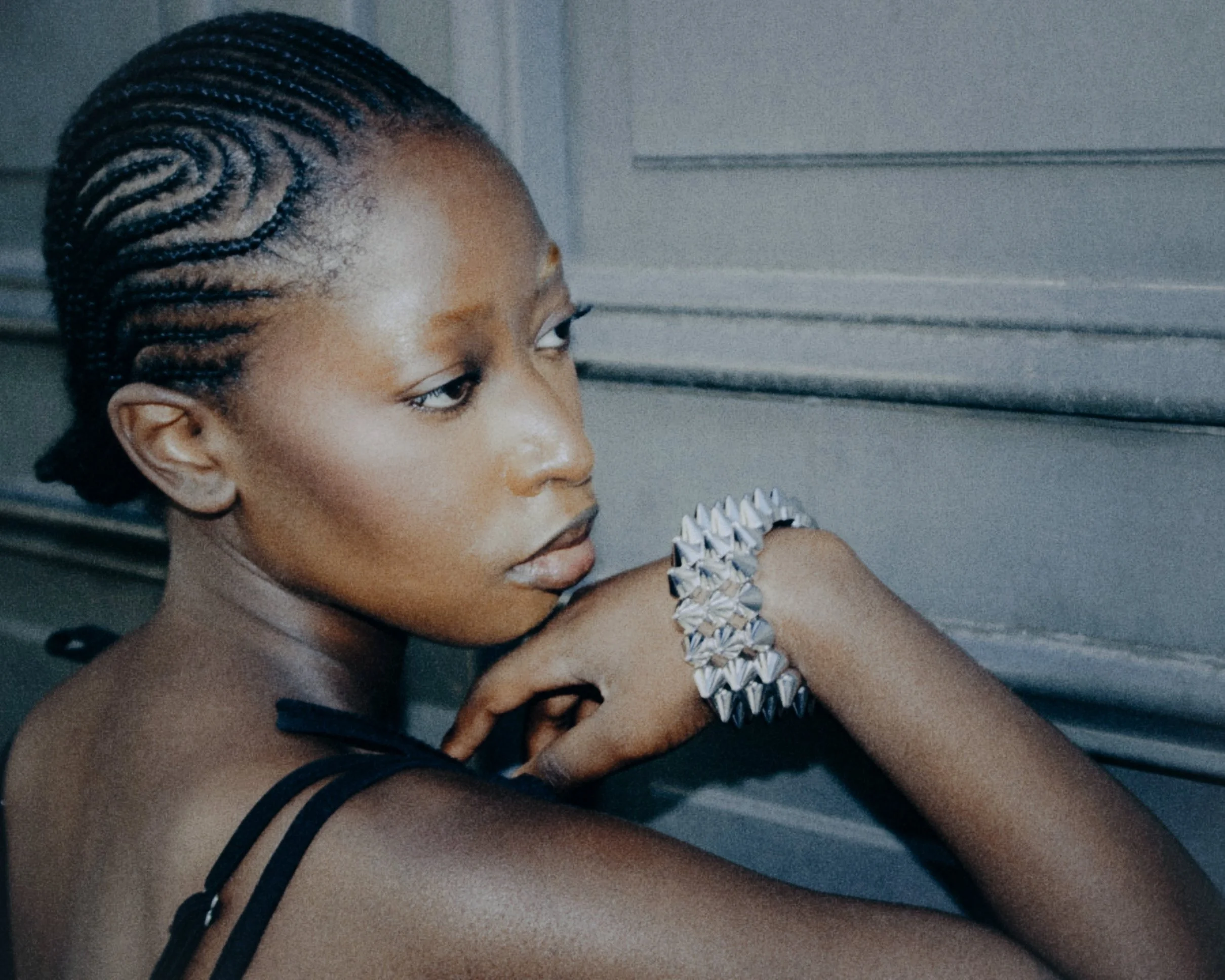
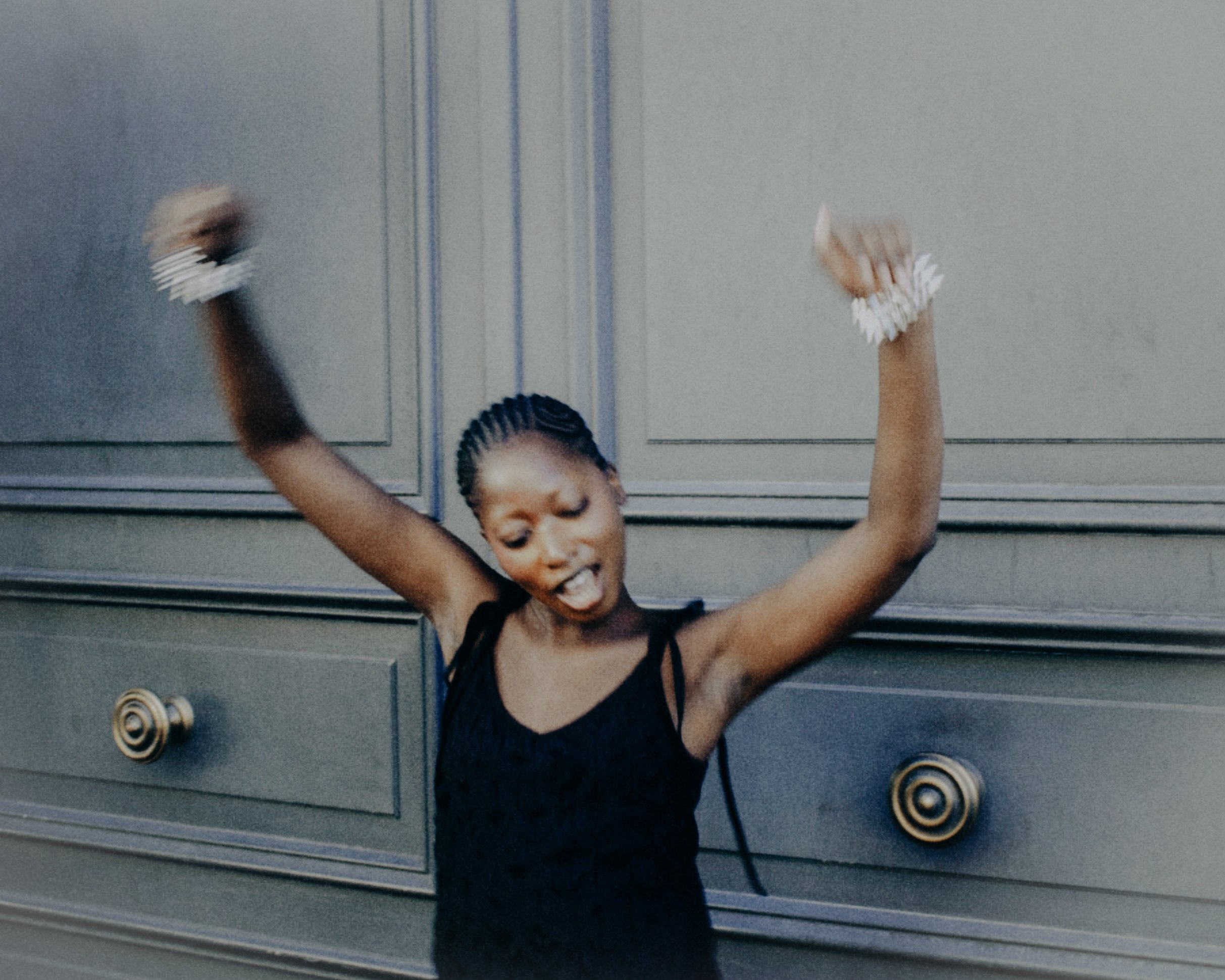
When Tom first showed me Awa's profile, I fell in love with her energy. There was something bright about her, something rock 'n' roll. I knew immediately that I wanted to photograph her.
When we met, she was on her way to get ready for a concert. She arrived excited, smiling, already in a good mood, and I think that excitement made everything feel easier. We skipped the small talk almost entirely. Within ten minutes, we were talking about ADHD. At one point, I took out my JBL speaker and asked if she'd like some music while we walked. She laughed and told me she loved music, but she didn't need it.
She was already listening to the ones playing in her head. ADHD, I said.
A few days later, when I sent her the interview, I began with a question that, after speaking with Raphaëlla, felt almost inevitable, I had to ask her a similar question…
Can you remember the first time you saw someone in fashion who made you feel genuinely seen?
Her answer was unique. Unique answer for a unique person.
"Honestly, the first person who made me feel seen in fashion was myself. And I say that knowing how hard it sounds because I have a very complicated, sometimes toxic relationship with myself. Compliments don't come naturally to me, neither does self-validation. But I decided early on that I would be the first one to push myself forward, because if I didn't, no one else would. Being a model is a daily fight with my own reflection. What makes me feel truly seen isn't one icon or one face I looked up to, it's the people I've met along the way. The photographers who told me to keep going. The followers who show up for my work. The brands and collaborators who come to me because they believe in what I do. Those are the people who made me feel like I had a place here.
But the first one? That was me. I saw my own potential."
I had to read that last sentence twice.
Awa reminded me of something just as essential: sometimes, before the world believes in you, you have to believe in yourself.
I can relate. Me becoming a model wasn't easy and still isn’t easy. There were moments when racism and fatphobia made me question whether there was room for someone who looked like me even though I knew some like me existed. There were castings I wasn't expected to enter, images I rarely saw, and standards that were clearly written for others else in mind.
If I had waited for the industry to tell me I belonged, I might still be waiting. Like Awa, I had to convince myself first. I had to keep showing up on people feeds before anyone else could imagine me there. Looking back, I realise that determination came before confidence. Confidence was simply what grew from refusing to leave.
Sometimes the first person to recognise your potential has to be yourself… so thanks to me !
Looking back, how has your relationship with fashion evolved alongside your understanding of your own identity?
"Honestly, this question is hard for me to answer because I'm still learning who I am. And that's something I'm not afraid to admit.
I dissociate between two versions of myself: the model, the person you see on Instagram, who doesn't care about anyone's opinion and wears color and takes up space, and the person I am outside of that, who I'm still getting to know.
What I can say is that over the years, I've been slowly letting go of the need for validation. Before, I wanted my work, my vision, my choices to be approved by others. Now I just want to attract people who connect with my personality, not just the aesthetic, even though for me, the two are inseparable. The evolution isn't a finished story. It's still happening."
This is deeply comforting about hearing someone say, "I'm still learning who I am." We often speak about identity as though it is something we eventually arrive at like a destination after enough experiences. But perhaps identity is less like an address and more like movement. It shifts as we grow, as we leave places, meet people, fall in love, change careers, or simply wake up one day feeling different from the day before.
Awa doesn't have all the answers. And thank god, Instead, she embraces the fact of just not knowing. There is courage in that.
I loved the distinction she makes between the woman we see online and the one she is still discovering, away from the cameras. I strongly believe that in an industry built on images, it is easy to mistake visibility and coverage for confidence, to assume that because someone photographs beautifully, they must know exactly who they are. But photographs rarely tell the whole story.
That is why this project exists in the first place. Not simply to show beautiful women, but to create room for the conversations that cannot be captured in a single frame…
Is there an aesthetic, silhouette, or way of dressing that feels deeply personal to you, even if it doesn't align with current trends or how others expect you to dress?
"My most personal aesthetic is color. It sounds simple, but it means a lot. I used to be someone who preferred to stay in the background, I didn't feel legitimate taking up space, being noticed.
I didn't even like pink before. I wasn't 'the girly girl.' But colors became the thing that represents me most, not because life is always beautiful, but because I choose to wear what I feel. I dress for myself, not for others.
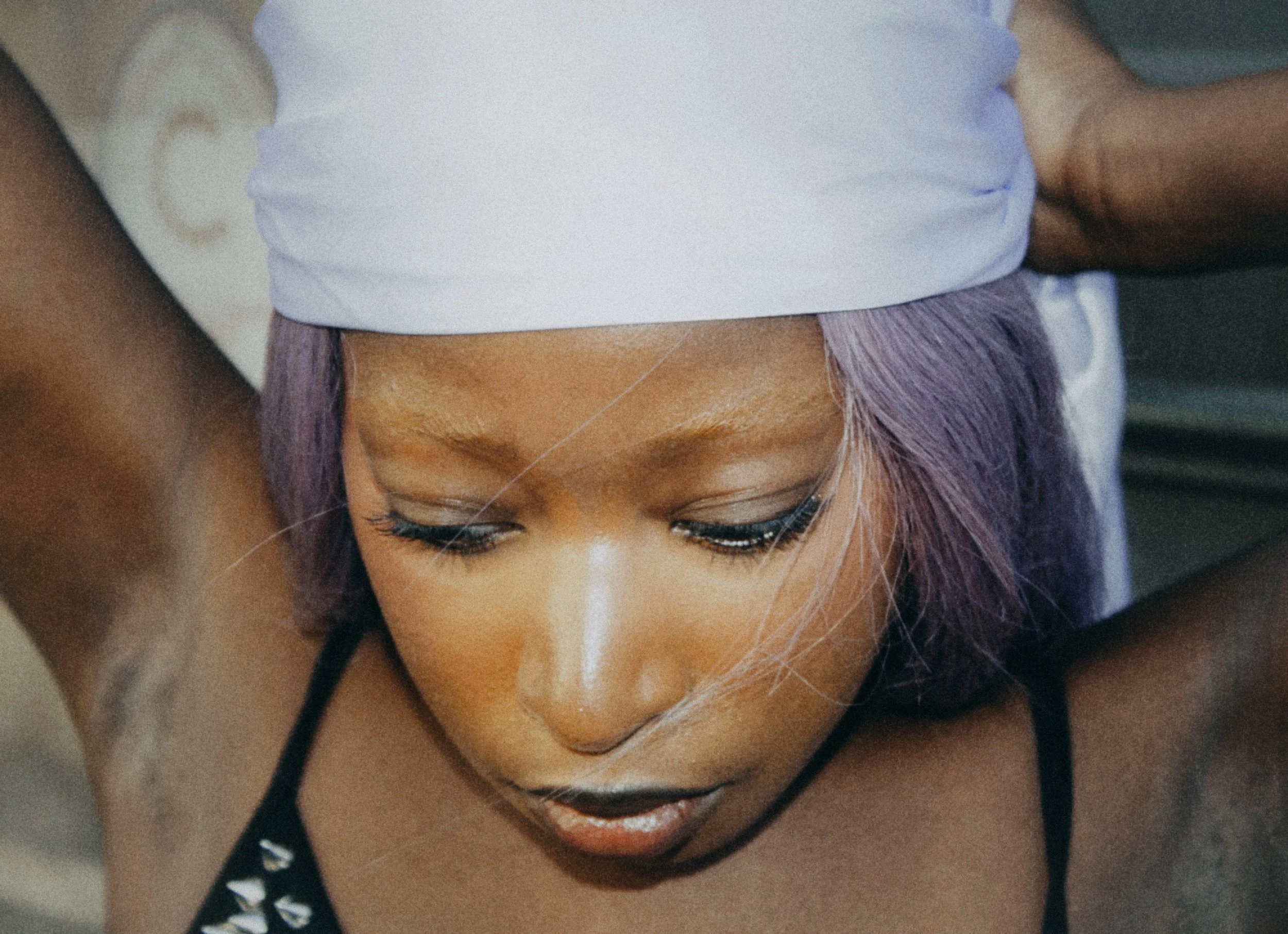
Wigs are also a big part of how I express myself, even if my afro is my core identity, my roots, who I truly am. But the wigs, the purples, the pinks, the unexpected combinations you see on my Instagram, that's me too. And I don't feel like I need to justify any of it."
"I choose to wear what I feel."
Most people often think of getting dressed as an exercise in appearance, when it can be an exercise in emotion. Some people wear black because it feels safe. Others wear colour because it feels honest.
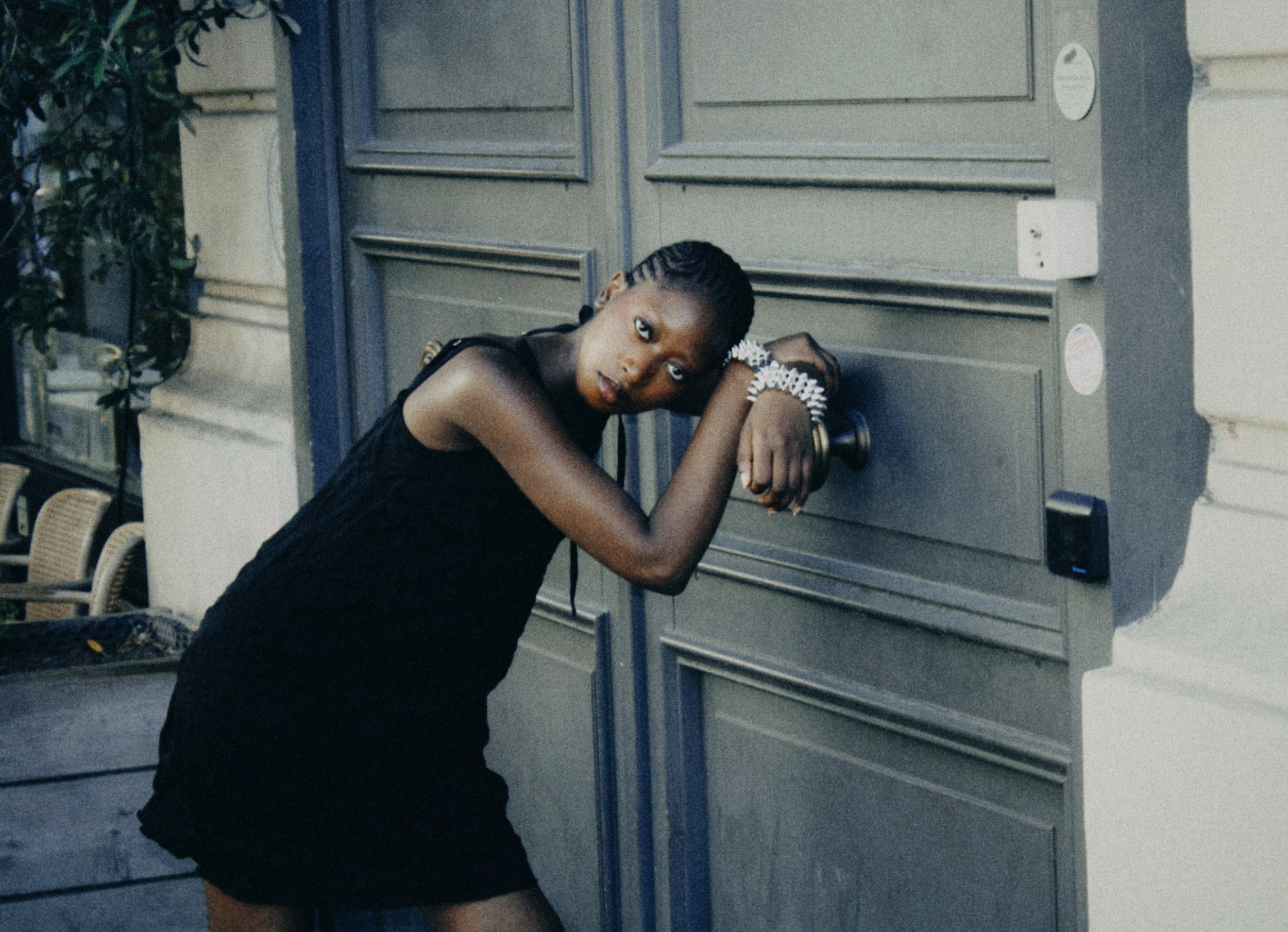
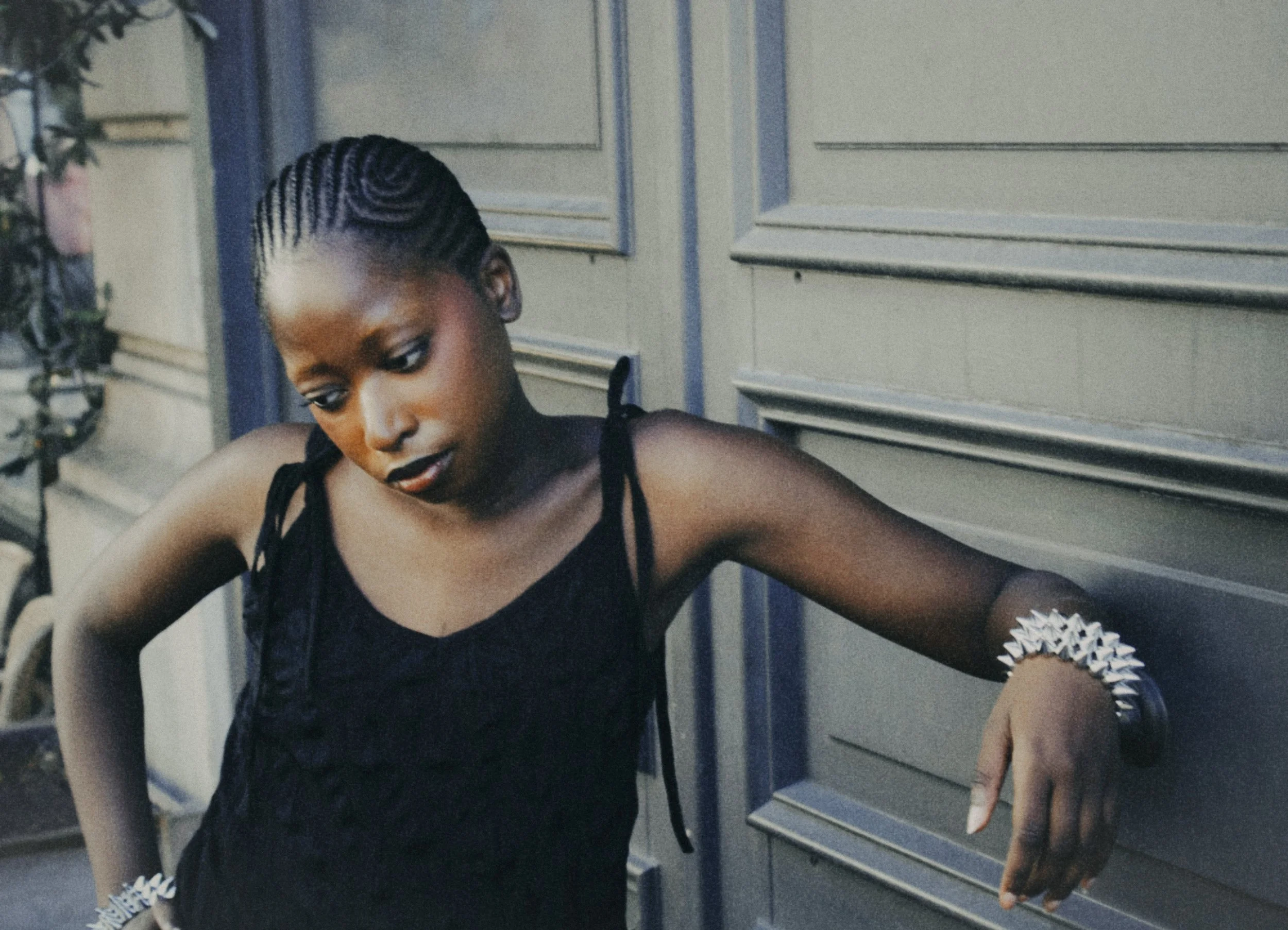
For Awa’s case, I am sure colours aren't decoration. It's a language.
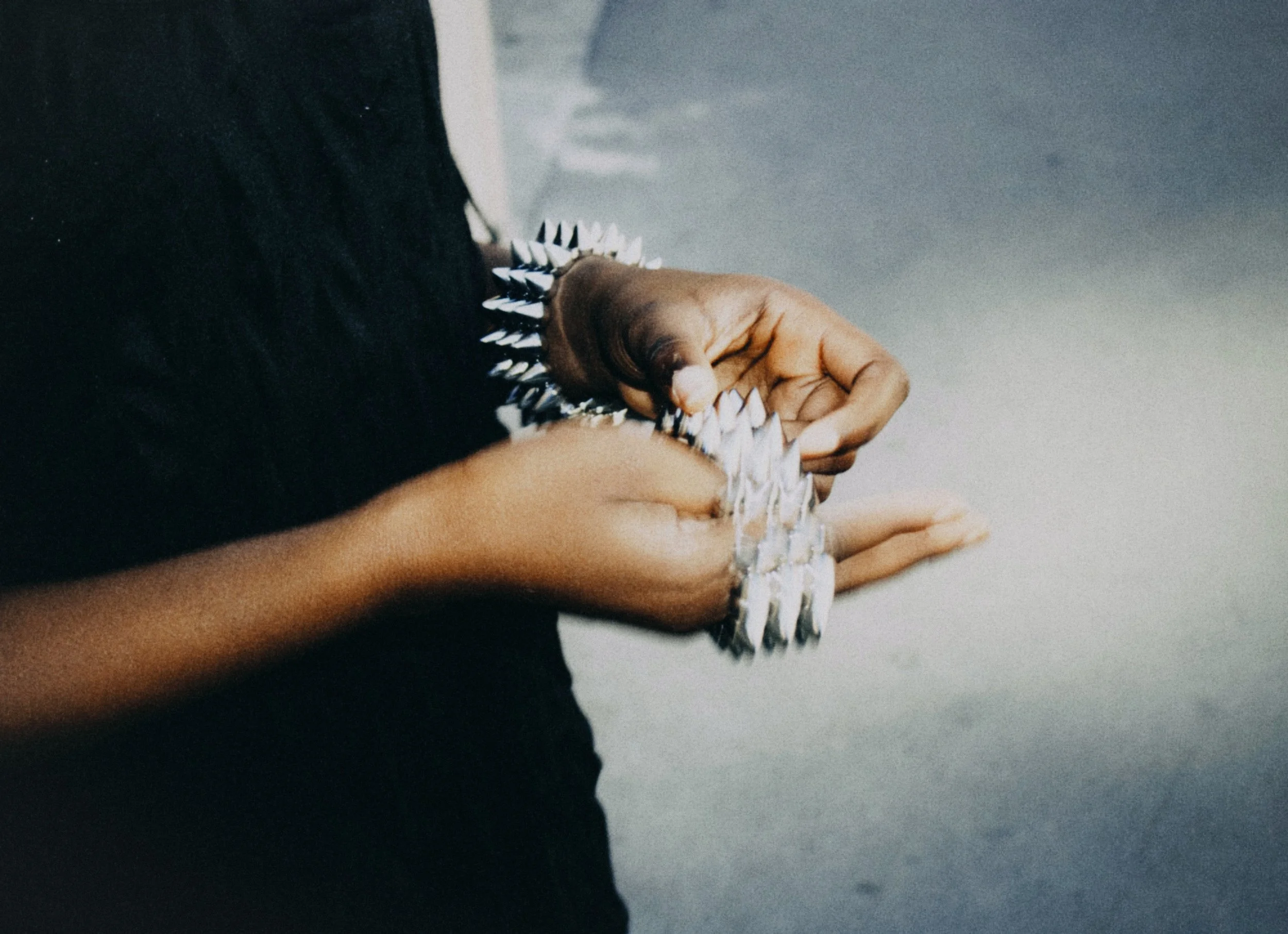
It isn't about attracting attention for the sake of it; I think for her, it's about allowing the outside to meet the inside. The pinks, the purples, the wigs, the unexpected combinations reveal another part of her.
Like most woman who took part in this project, I ended our conversation with the same question…
What is the most beautiful thing fashion has given you beyond clothing itself?
"The most beautiful thing fashion has given me is confidence. I don't really consider myself a “fashion person” I just dress the way I live, the way I feel. For me, clothing is a way to transfer an emotion. I tend to dress very colorfully because I'm a very vibrant person, and I like my personality to show in what I wear. I don't overthink it. But beyond the clothes themselves, fashion has become an extension of who I am."
It was surprising to me that Awa didn’t define herself as a fashion person. I mean look at her !
I am so used to associating fashion with expertise, of knowing the new trending designers, following every collections. And yet some of the most memorable people I've met don't approach fashion that way at all. It is just another way to create and have fun. A whole new vocabulary…
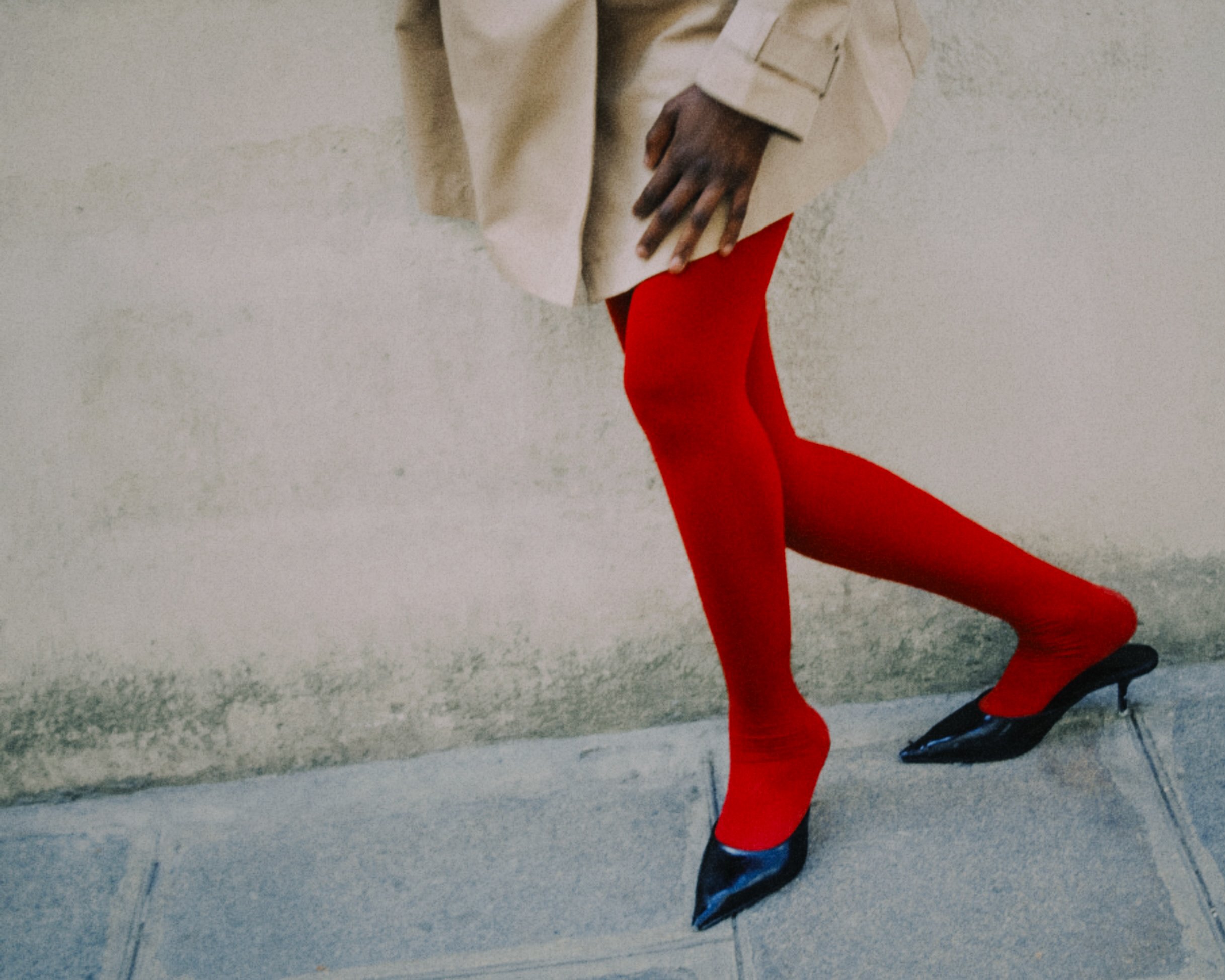
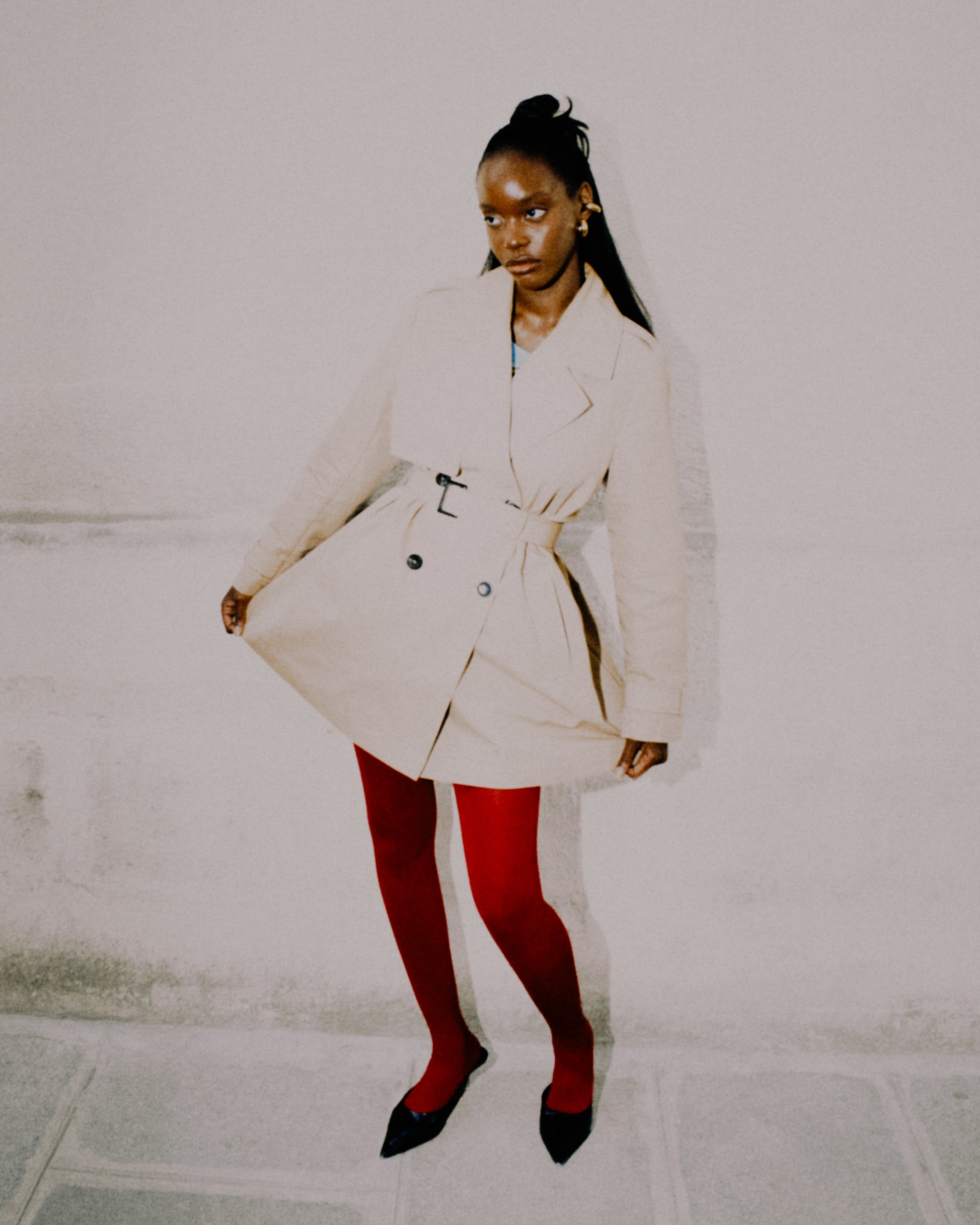
BRONDY
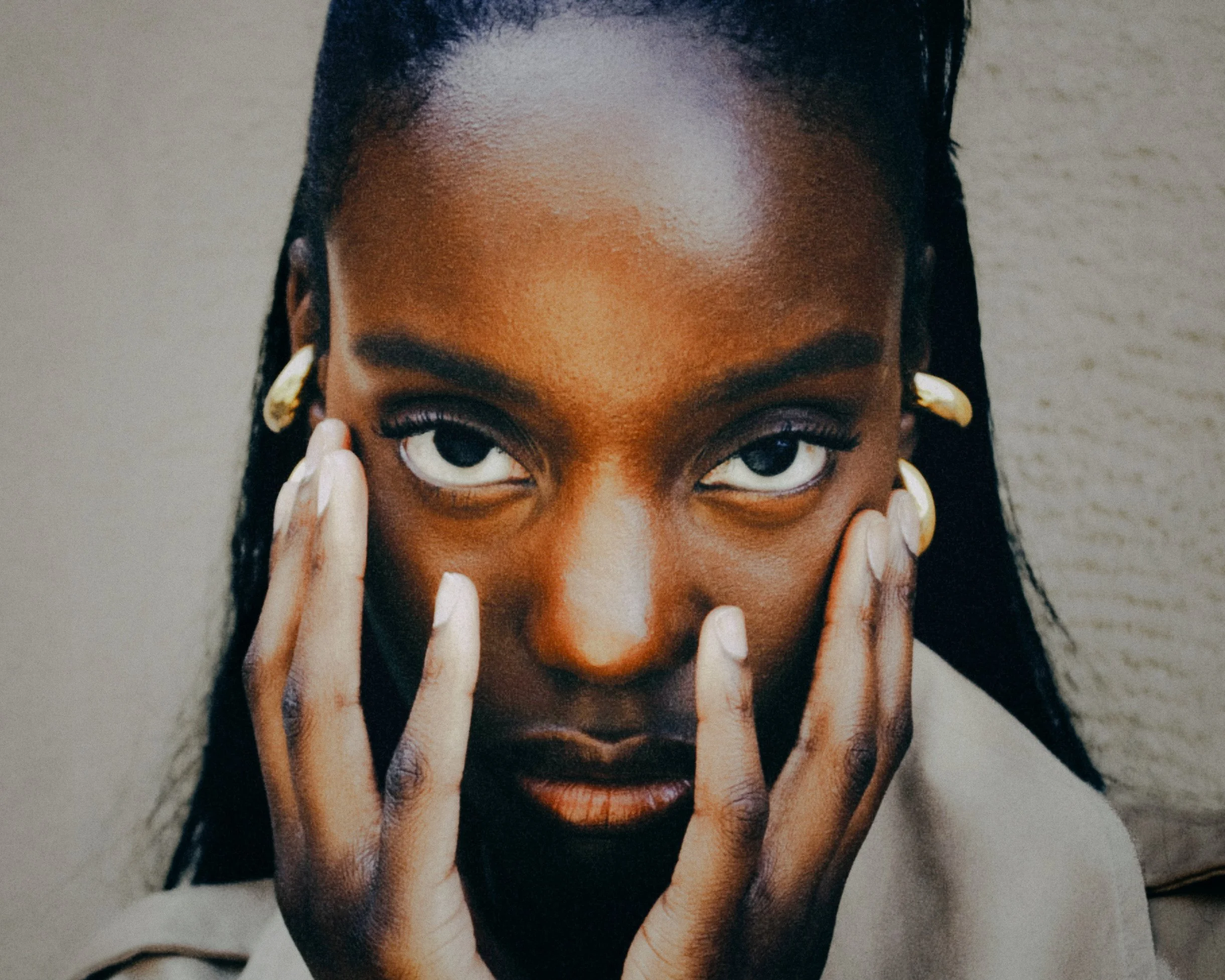
Brondy brought a different energy altogether!
She likes to have fun. She is calm, and thoughtful. When we met, the sun was killing me, and I felt almost intoxicated by the heat moving through the Marais.
I can say looked like she came out of an ELLE editorial.
Her vibe was so cinematic. I am sure she is romanticising her everyday life. An editorial life? I'd say so.
Later, I asked her:
Have there been moments when you felt that the exact same outfit would have been perceived differently on someone else? What did that experience teach you about fashion, perception, and identity?
"Yes, I sometimes told myself that the same outfit I was wearing could have been perceived differently on another person, maybe even better worn. This experience taught me that although fashion is universal, everything remains a matter of perception and attitude. I think the outfit comes to life when the person decides to put on the attitude that goes with it. As for identity, I would say that it is the same with attitude. You can make an accessory or a statement piece part of your identity, but it's also the attitude you bring to it."
Her answer immediately brought me back to an experience of my own.
A few months ago, during a job interview for a luxury retail position, the manager criticised one of my colleagues for not dressing appropriately enough. She was wearing exactly what had been asked of us: full black, she was wearing a well-cut black linen shirt and tailored black trousers. Ironically, the manager herself was dressed far more casually than what she was enforcing.
And honestly, I still think about this moment quite often…
Not because I believe prejudice belongs to one group of people. It doesn't. But it made me realized even more that we all grow up within systems that shape what we perceive as polished, elegant, professional, or desirable. Those perceptions don't appear out of nowhere; they are learned, repeated, and often left unquestioned. For Black women, that can mean being asked to do just a little bit more. To be just a little more polished. A little more elegant. A little more careful. The same confidence admired on one woman can be interpreted as arrogance on another. The same structured silhouette, the same bold colour, the same jewellery can receive entirely different reactions depending on who is wearing it.
History has countless examples. Braids, large hoop earrings, grills, long nails, vibrant colour palettes, styles that have long been dismissed, mocked, or labelled "unprofessional" when associated with Black communities have, over time, been embraced as fashion-forward once adopted elsewhere.
Fashion never exists just as itself. It reflects the society that creates it. It’s political and social.
That is why Brondy's answer is important. Clothes may be universal, but perception rarely is. And one of fashion's greatest challenges today is not simply creating beautiful clothes, but questioning why beauty, elegance, or professionalism are still so often measured differently depending on the body wearing them.
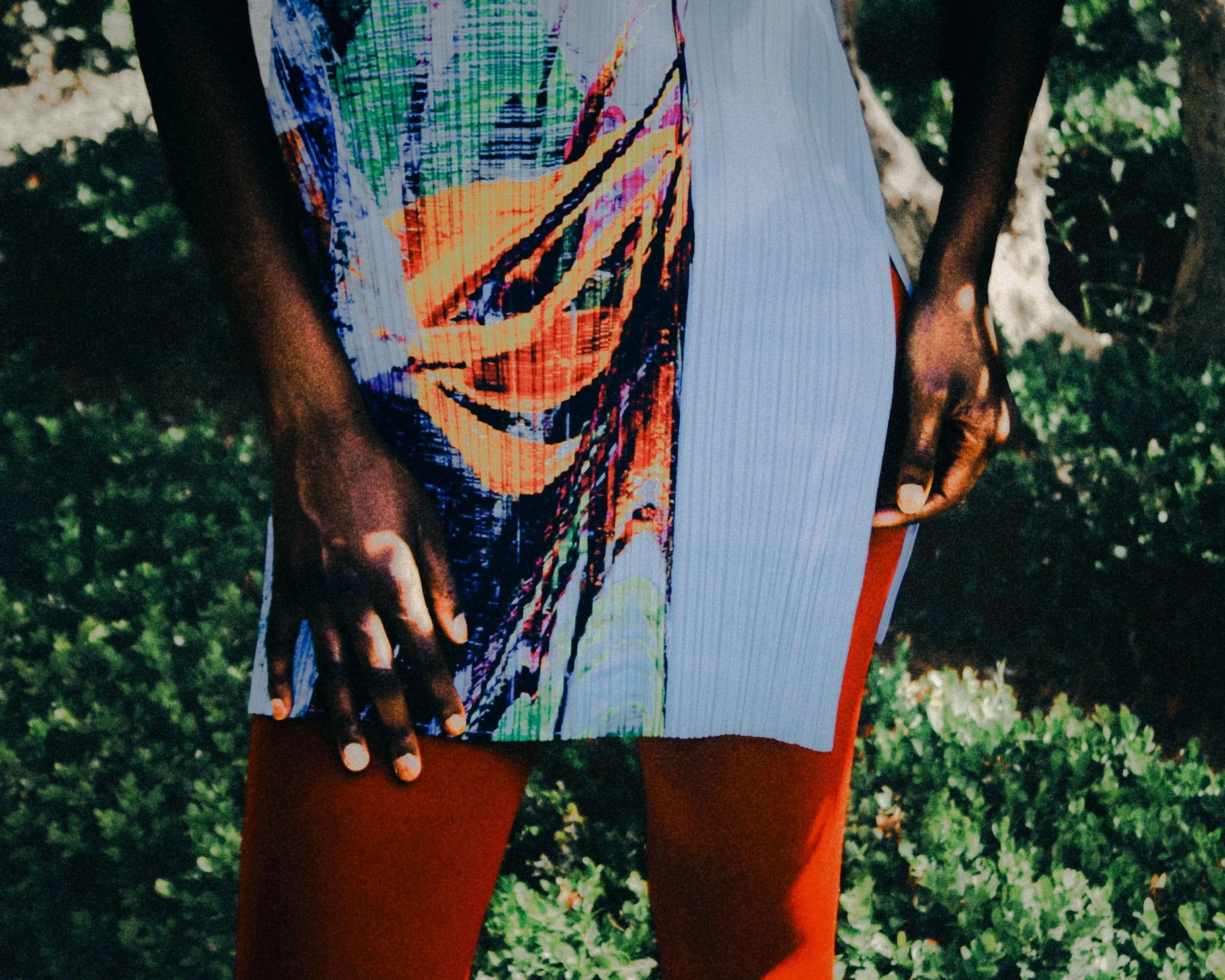
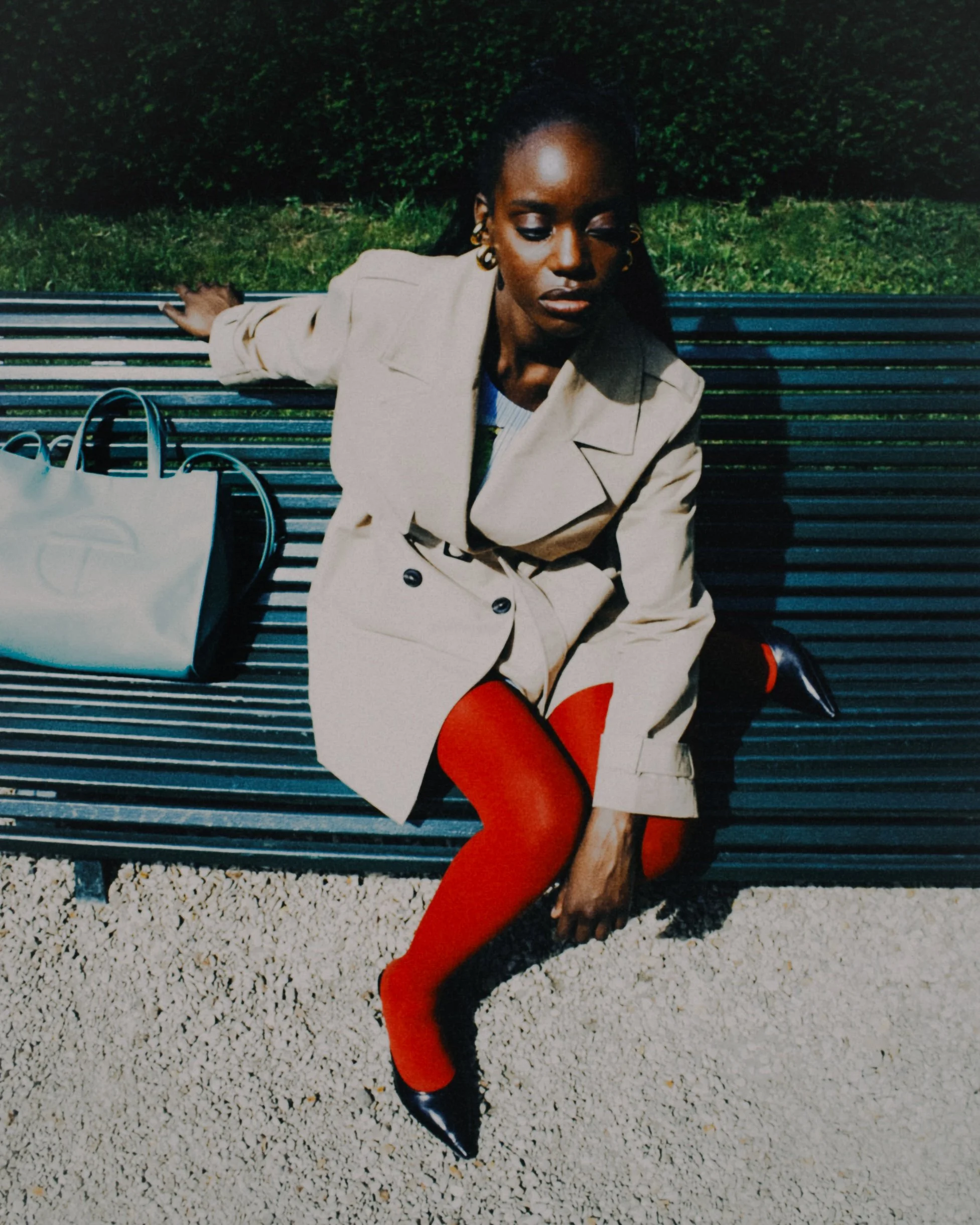
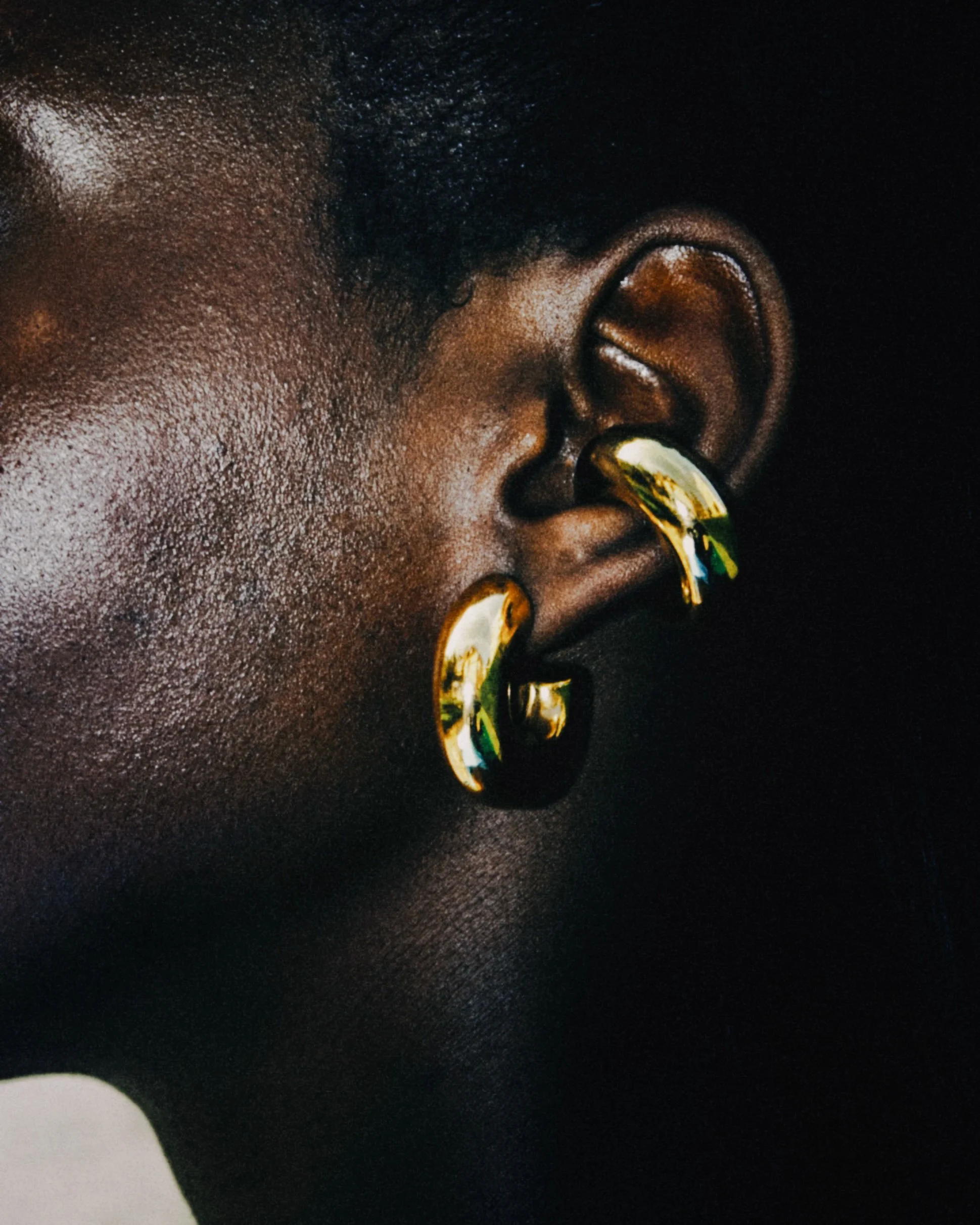
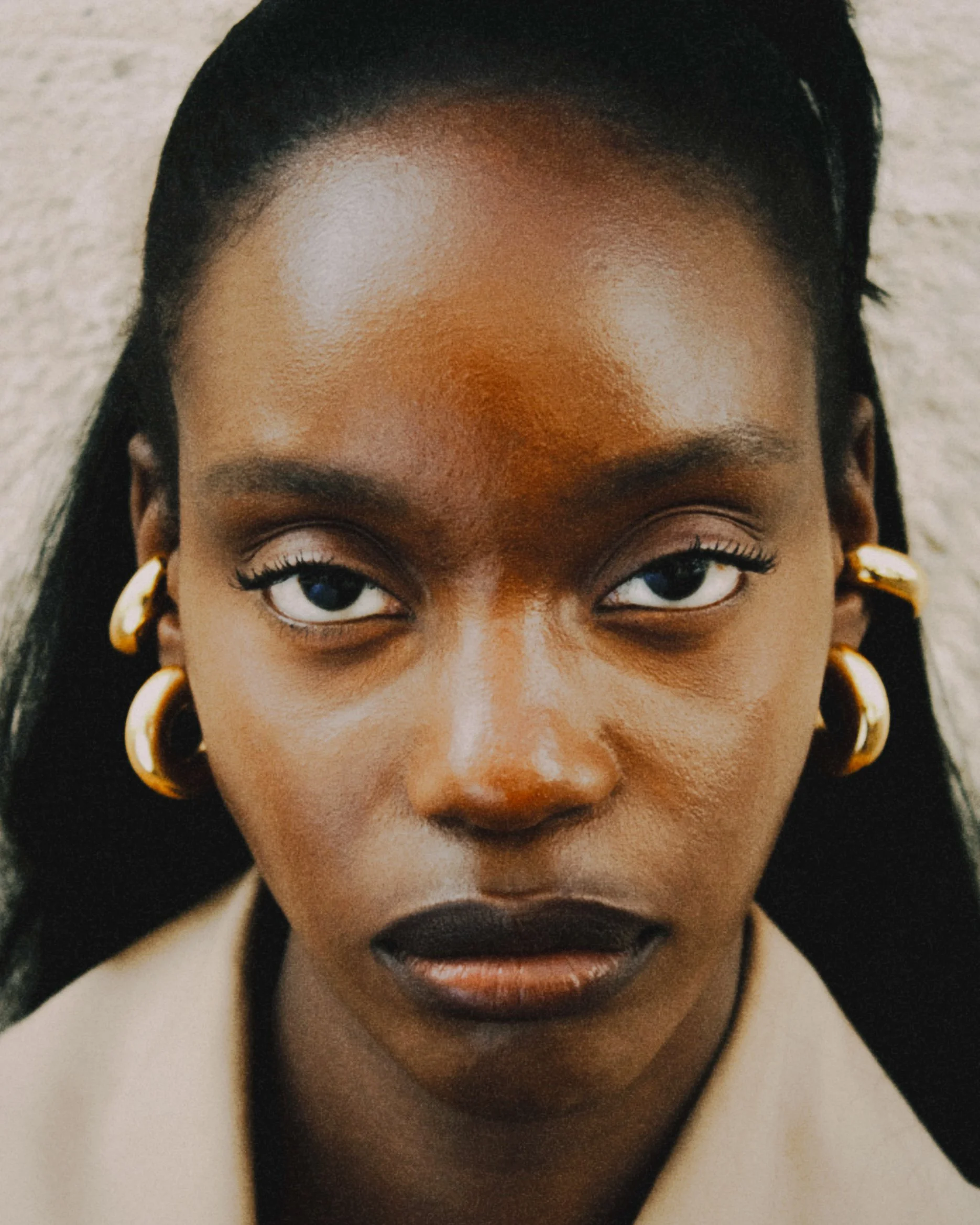
Do you think representation in fashion and modeling today has become more meaningful, or do you feel it sometimes remains surface-level? What does authentic representation look like to you?
"For me, representation in fashion remains something superficial. We will be shown inclusion but in reality it is a targeted inclusion. Whether in the castings of fashion shows or in the campaigns that we are used to seeing, it is always the same profiles that stand out. I think it is an inclusion that still remains on the surface. I would say that authentic representation is something that we do not force to please according to the ideals of others."
This bring us back to the beginning of this entire project began.
Months ago, while searching through archives, Pinterest boards, magazines, and editorials, I kept asking myself this question: Where are they?
Not just Black women models, because YES we see them on covers and some runways. But Black women living, laughing, occupying the space, and be part of it. I was looking for more. For normality. We don’t see editorial of black models, on the streets, at least there isn’t enough…
Just because a few exist does not mean that, finally! Diversity is here ! But visibility alone isn't enough if it only appears when it is convenient, marketable, or expected. When the same handful of faces become responsible for representing entire communities, inclusion risks becoming a performance rather than a reality. Authentic representation, to me, is just existing without questioning how, what if, maybe… It’s just existing without having to explain why we deserve to be there, to have what we have.
Other than that, It is variety. It is contradiction. It is allowing Black women to be minimalists, romantics, maximalists, reserved, loud, elegant, messy, playful, sophisticated, or all of those things at once. It is understanding that there is no single Black aesthetic to cast, photograph, or celebrate.
It was maybe my intention all allong?
EMMA
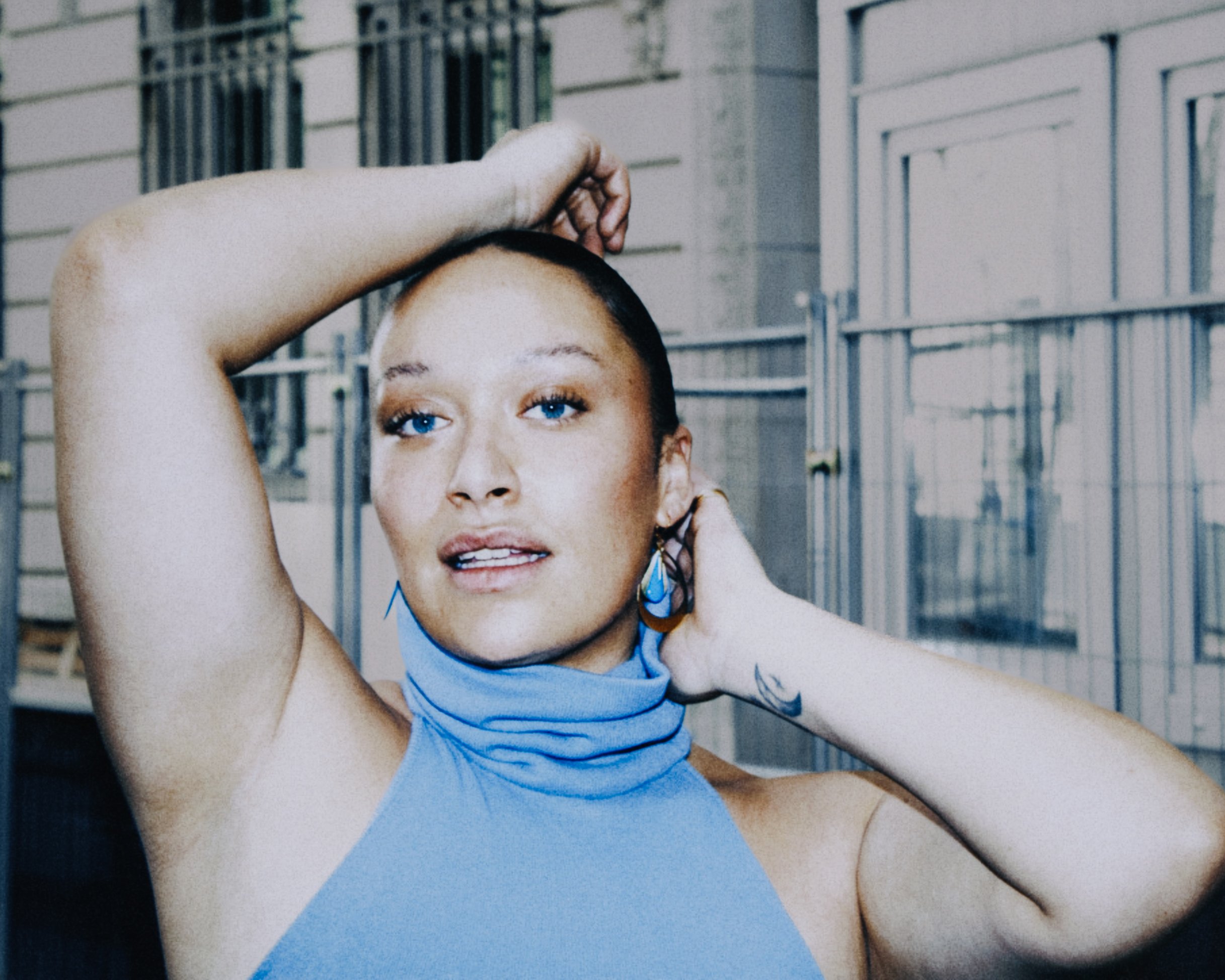
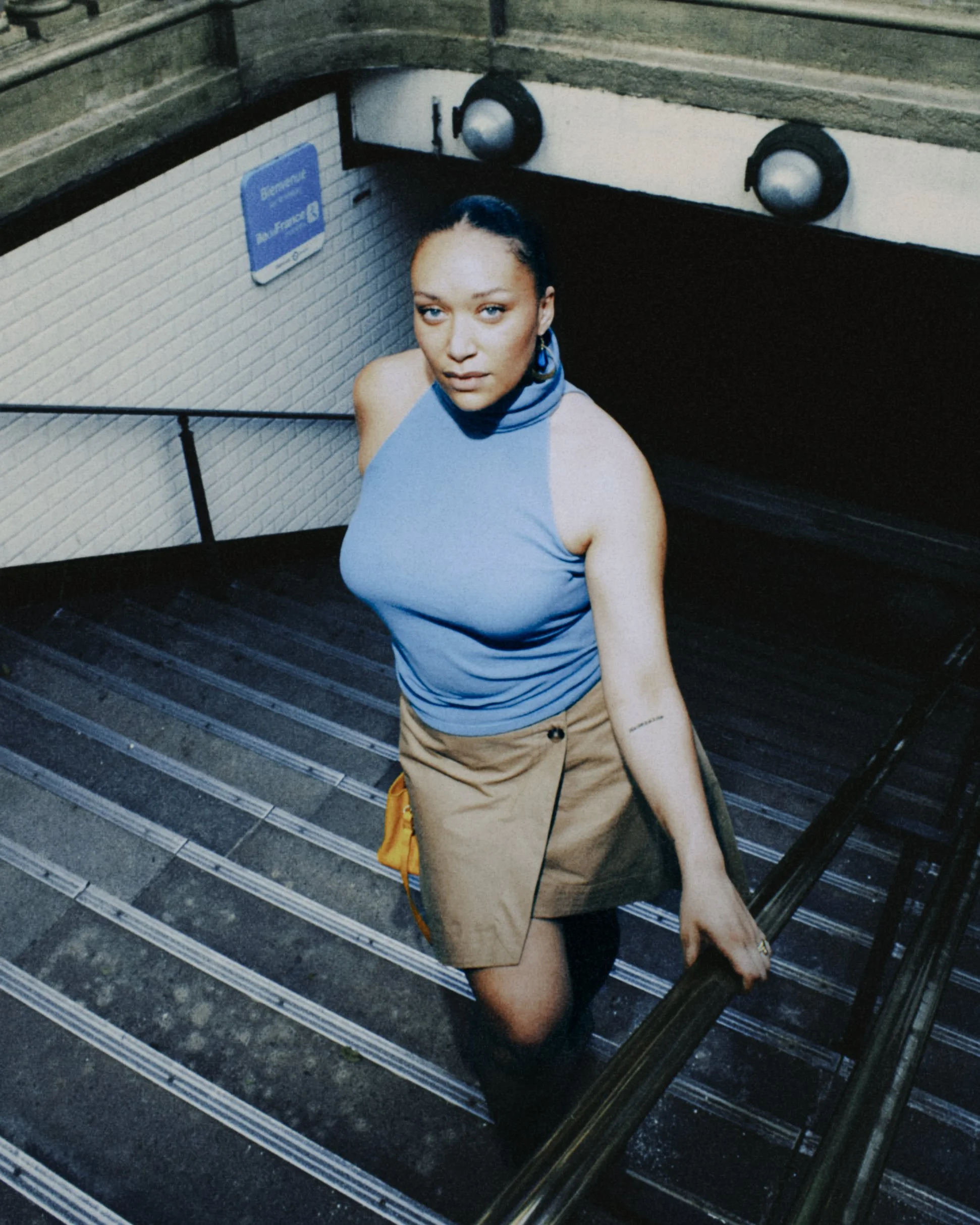
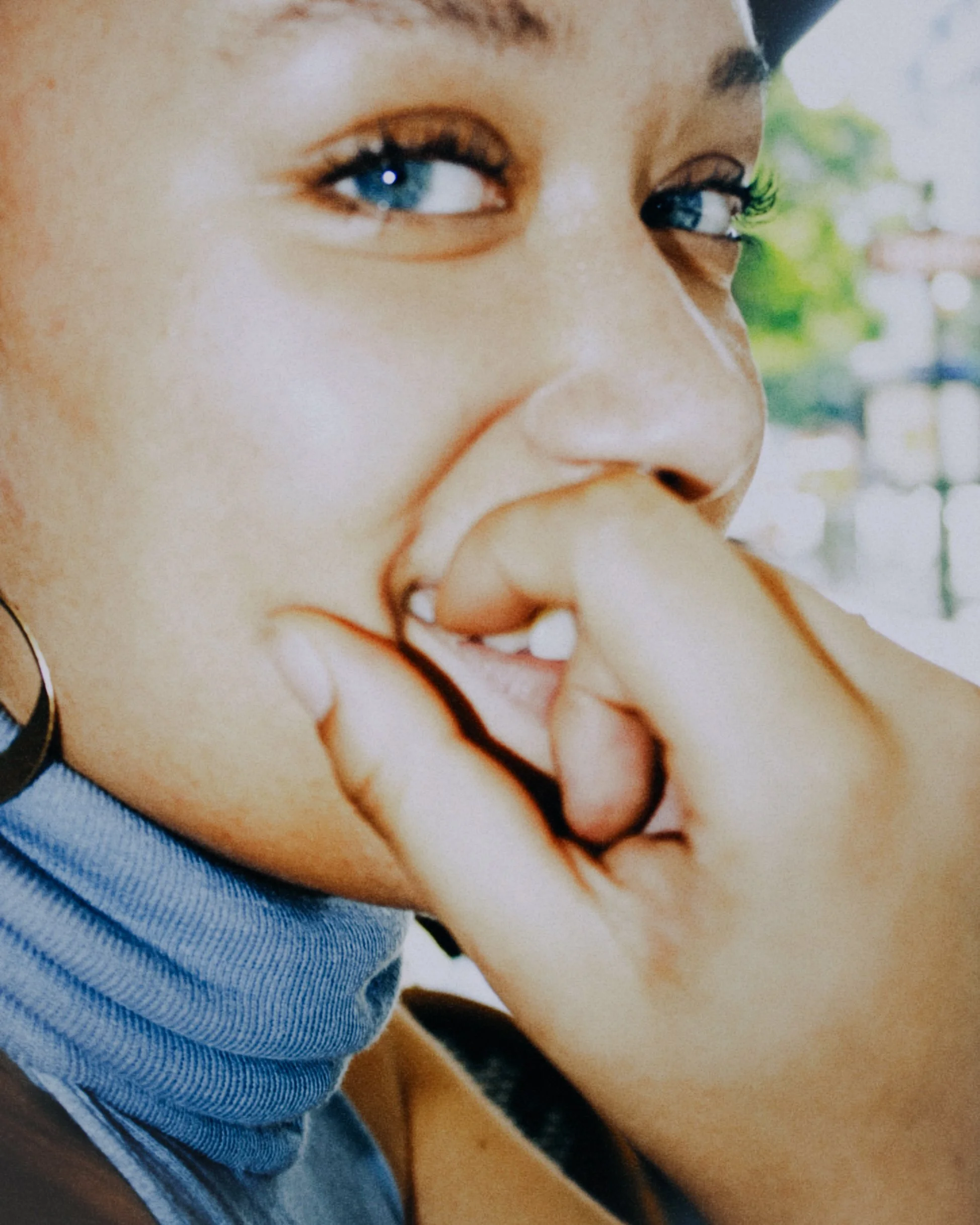
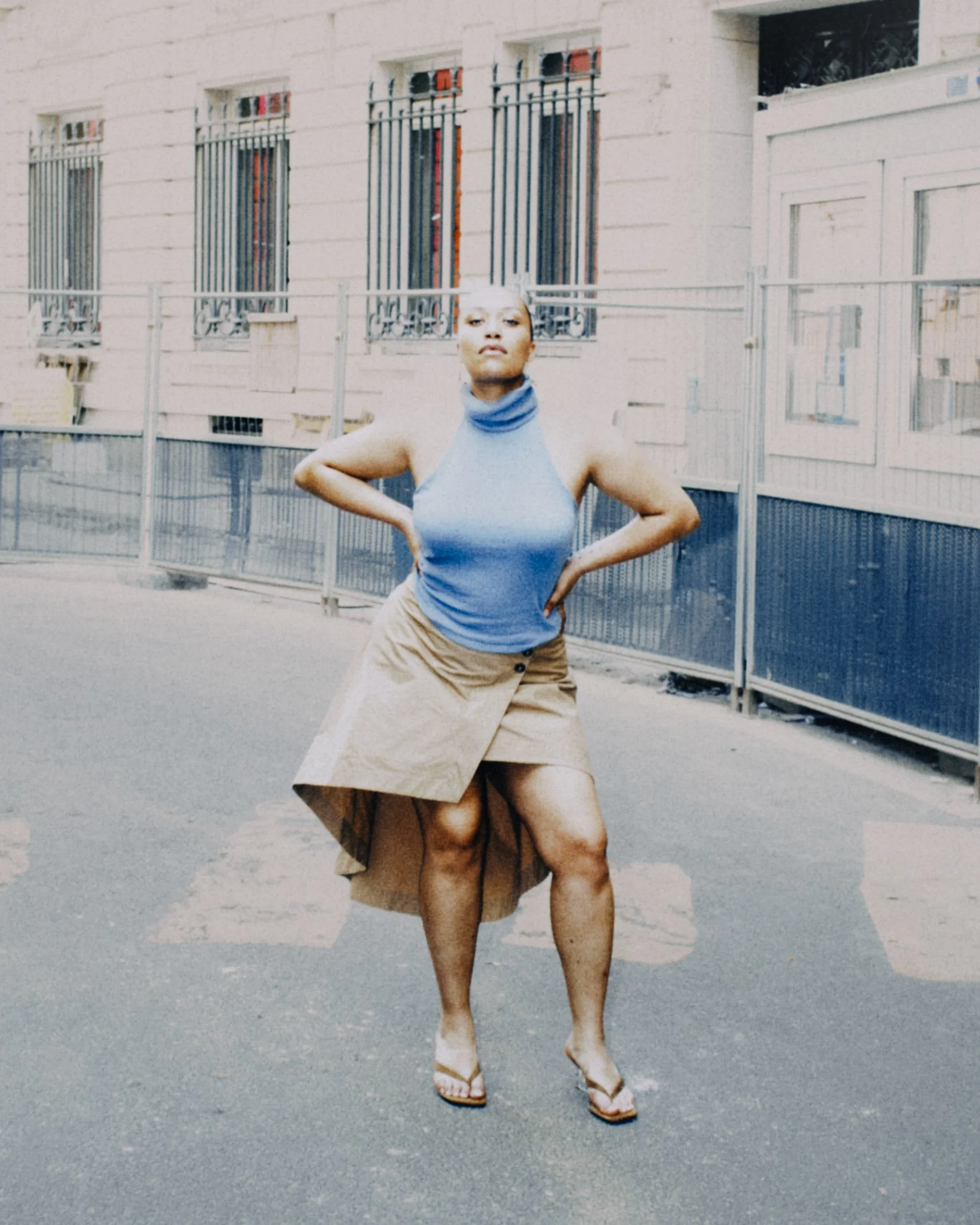
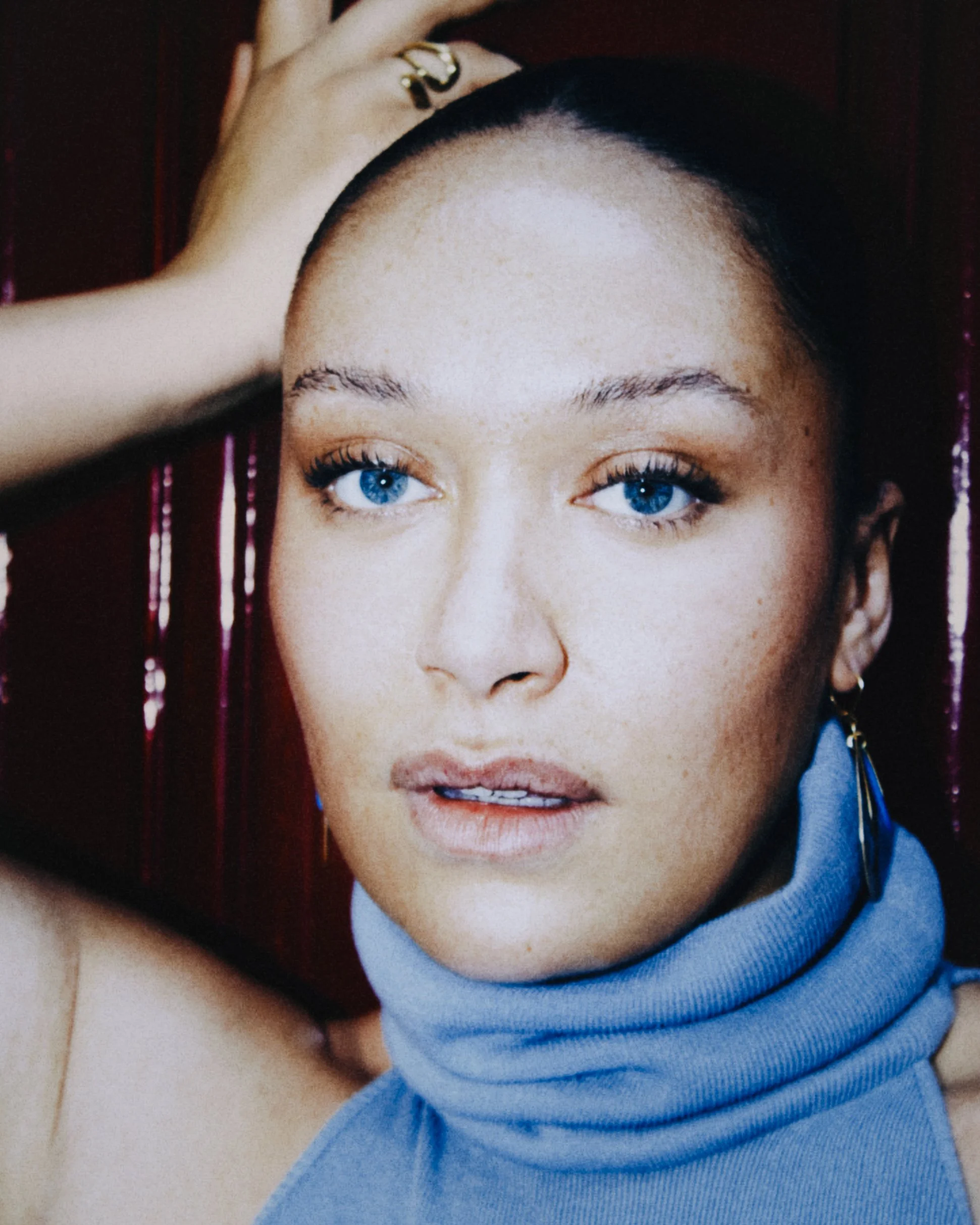
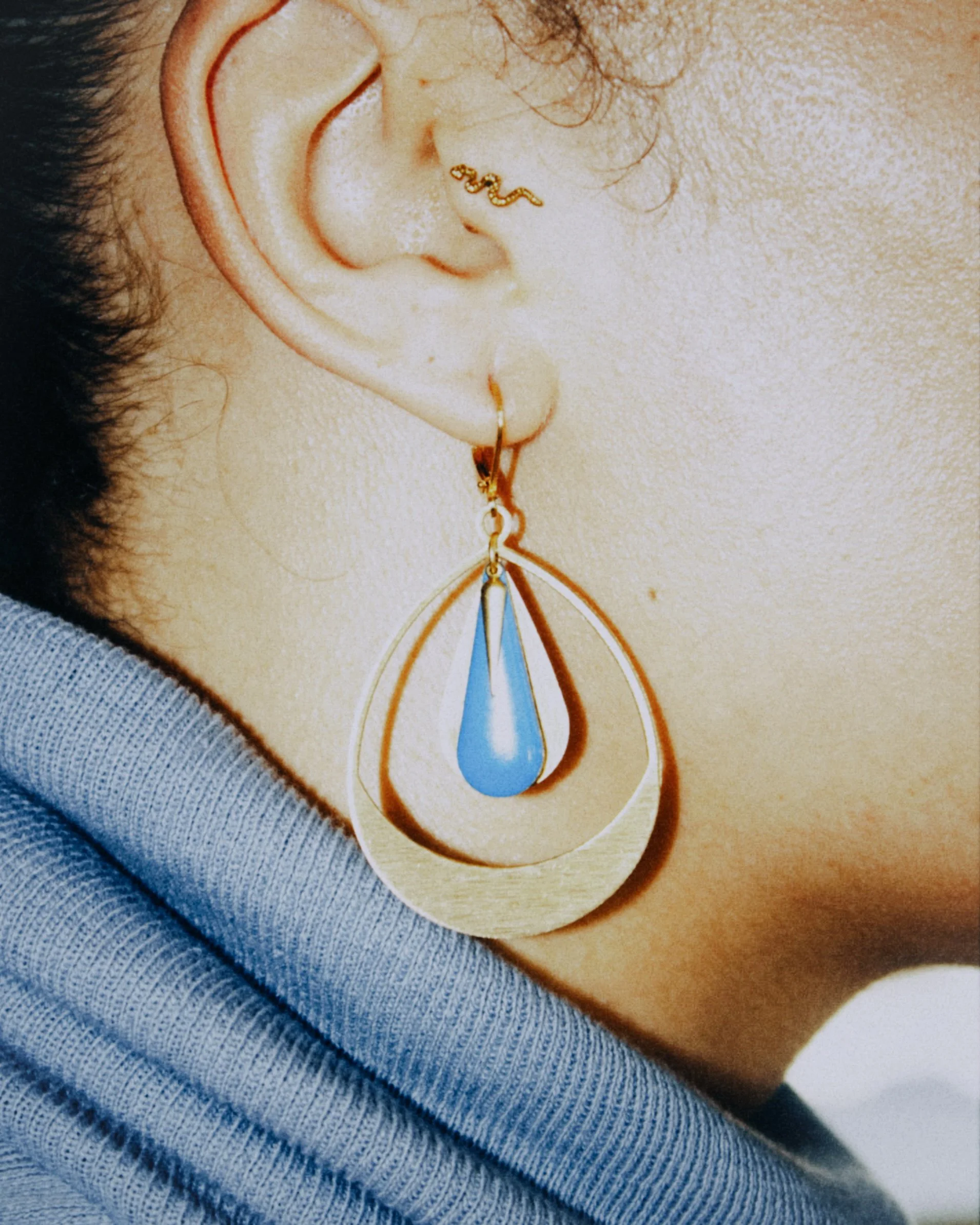
Emma and I met at the IFM. Her vibe and presence immediately put me at ease.
The day I photographed her, we met after work. At the end of the shoot we grabbed a cold drink, and tried to survive th heat, and talked. A lot. The conversation flowed so naturally that, by the end of the afternoon, I found myself asking her if she'd be up for a studio shoot one day. Let's just say... I already have something in mind.
Her first question was one I couldn't avoid…
The fashion industry often speaks about inclusivity, but do you think it truly embraces different experiences, or mainly different faces?
"I'd say yes and no, because I don't want to generalize about everyone who makes up the fashion world. But for the majority of brands in the spotlight, the ones shaping this industry, I'd say no: they still use inclusivity too much as a branding and marketing tool rather than as a genuine commitment to moving this fight forward. And one consequence of that is that we quickly end up seeing the same faces used to represent a minority."
I love when there is nuance! Emma doesn't reject the progress the industry has made. It questions its intention. Is it genuine ? Fashion has become very good at communicating inclusivity. It knows how to build campaigns around it, celebrate it, and present it as a value. The harder question is what happens once the campaign is over.
Who continues to get booked?
Who becomes the face of a season, and who disappears after one campaign? Representation loses its meaning when it becomes predictable. If the same handful of people are repeatedly asked to embody diversity, then diversity itself becomes curated. It starts to feel less like inclusion and more like a carefully controlled image of inclusion. Its’s what I appreciated in Emma's answer. She wasn't asking for more visibility at any cost. She was asking for something much simpler: consistency. A fashion industry where representation is no longer an event, a statement, or a marketing strategy, but an ordinary part of how stories are told.
It's one thing to observe the industry from the outside. It's another to experience its contradictions on your own body…
Have there ever been moments where your appearance felt like an advantage in fashion, but also moments where it felt limiting? How do you navigate that contradiction?
"Yes, in some cases, I'd say that being 'tall, mixed-race, blue-eyed' has helped me. At least, that's what I've been told, so let's assume it's true. And being plus-size remains a disadvantage for some brands.
Today, I try to stay detached from the link between my physical appearance and those so-called 'beauty standards.' And I'm well surrounded, both personally and professionally, by agencies and bookers who simply push me to be myself."
Our journeys are different, but they meet in the same place: the realisation that fashion often doesn't know what to do with bodies that exist outside its preferred categories.
As a dark-skinned, plus-size woman, I've spent years modelling while wondering why so much of the visible representation of curvier bodies is carried by women of colour. People will tell you you're reading too much into it, that you're "too woke." Maybe. But I don't think these patterns appear by accident. For centuries, Black women's bodies have been looked at before they have been listened to. Desired, exoticised, scrutinised, judged. Those ideas don't simply disappear because fashion declares itself inclusive.
They evolve.
Today, that contradiction often looks different. You're either told you're too big for fashion, or not curvy enough to represent plus-size fashion. There always seems to be another condition attached to your body.
“For the representation!”
I literally shouted that in my studio.
It sounds absurd, but after a while, so does the situation. The number of times I've sent my measurements to agencies for my comp card, only to receive them back reduced by a few centimetres. The number of shoots where my measurements were correctly shared with the stylist, yet only two looks out of ten actually fit. Or the recurring choice between two extremes: oversized coats and shirts that swallow your silhouette entirely, or clothes so tight and revealing that your body becomes the entire conversation. As though bigger bodies are only allowed to exist in excess or either completely hidden or permanently exposed.
Emma's experience reminded me that these contradictions don't always look the same. Her body is read differently from mine. Different features open different doors while closing others. But neither of us escapes the fact that the industry continues to filter women through categories before seeing them as individuals.
And that ! I think that is the real limitation of fashion today. Not that it lacks beautiful clothes or talented people, but that it still spends too much time asking bodies to fit stories, instead of allowing stories to fit bodies.
Looking at today's campaigns and runways, do you feel seen as a mixed-race woman, or do you feel represented through a version of mixed-race beauty that remains very selective?
"Honestly, the notion of beauty is, to me, the equivalent of a set of criteria that shifts more or less depending on the era. I'd say that as a woman, and even as a human being, our representation almost always passes through 'one' version of beauty imposed by society. And this industry is far from exempt from that. It's probably even one of the main players shaping that vision."
“Beauty shifts depending on the era.”
History proves it. Bodies go in and out of fashion. Skin tones become desirable, then undesirable. Eyebrows, lips, curves, thinness, tanning, even hair textures—all of them have been celebrated at one moment and rejected at another. Beauty, despite what we're often told, has never been fixed.
That is precisely why fashion holds so much responsibility. It doesn't simply reflect beauty standards; it actively participates in creating them. The images published in magazines, the women walking the runways, the campaigns displayed in shop windows all contribute to defining what becomes aspirational.
All of this, make me go further with my words, representation is not only about asking who is visible. It is about asking which version of beauty is allowed to exist at a given moment, and who is still expected to wait for their turn!
What is the most beautiful thing fashion has given you beyond clothing itself?
"Fashion has given me a form of self-expression, but above all, self-acceptance. Over the years, I've learned to accept my body, my physique as a whole, and my style asserted itself and, in turn, reinforced that acceptance. It's as if by accepting myself physically, I finally allowed myself to exist through clothing. As for the industry, I'd say the encounters, and a deep cultural enrichment. To me, fashion is a way of engaging with the world."
RAÏHANA
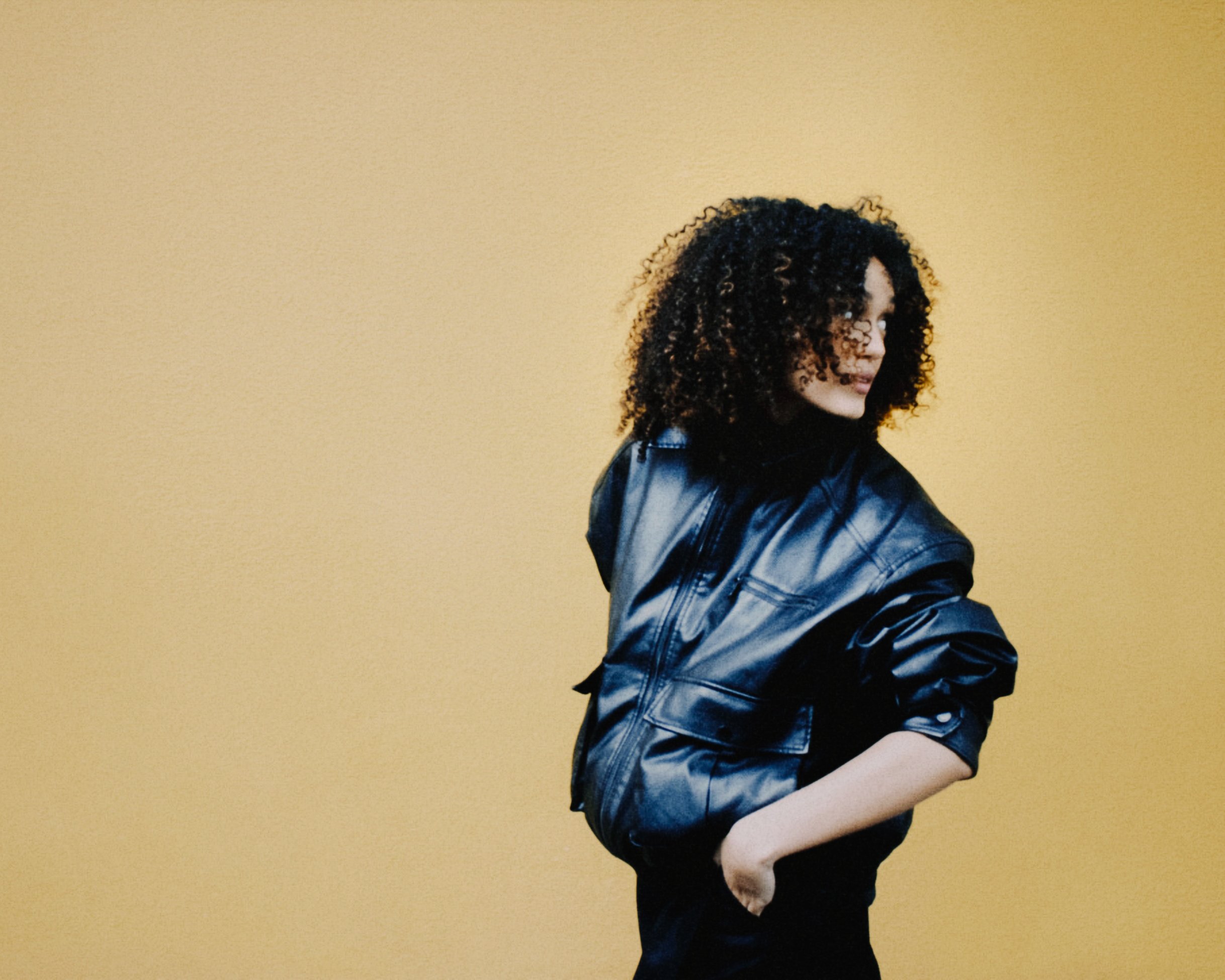
And then came Raïhana.
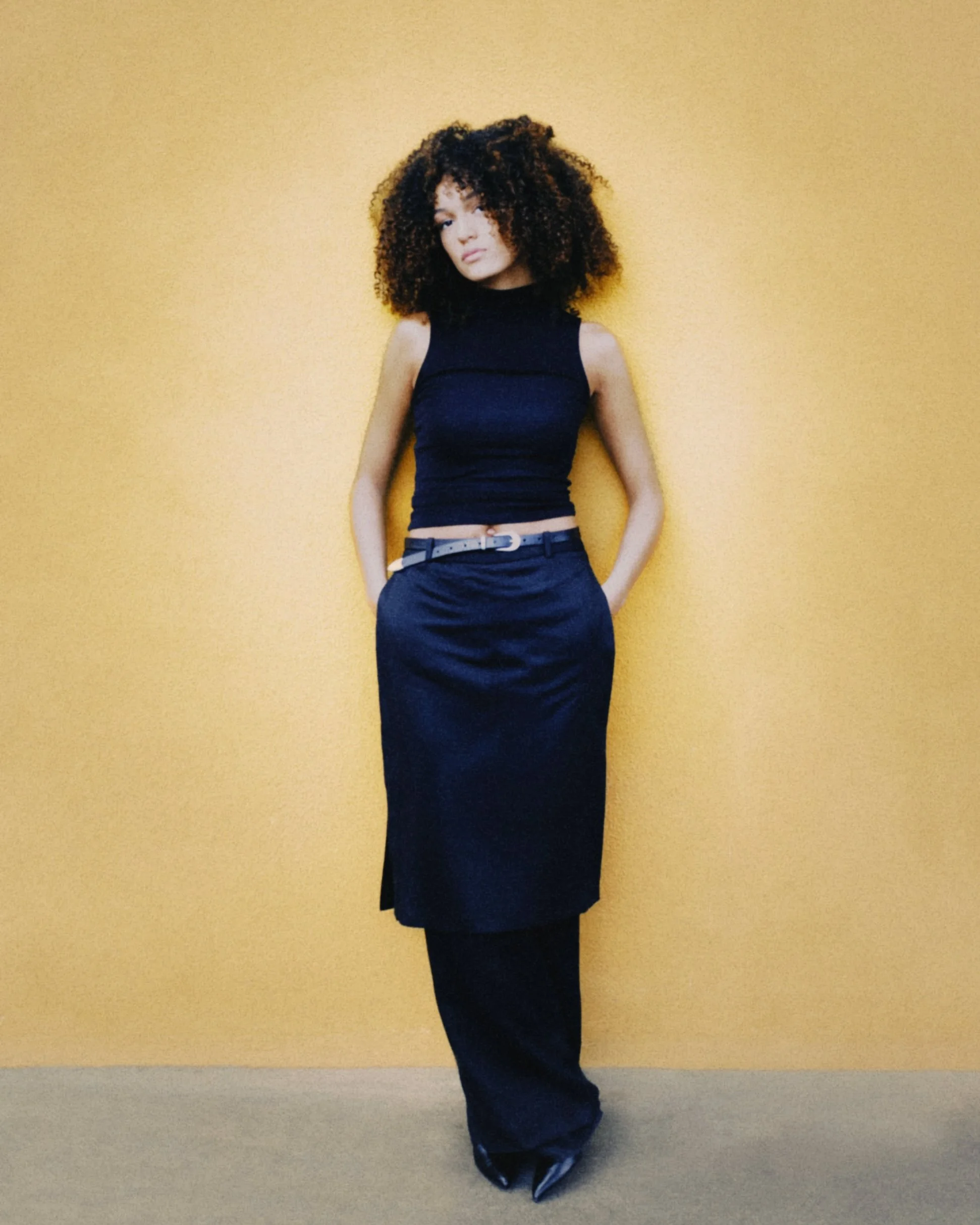
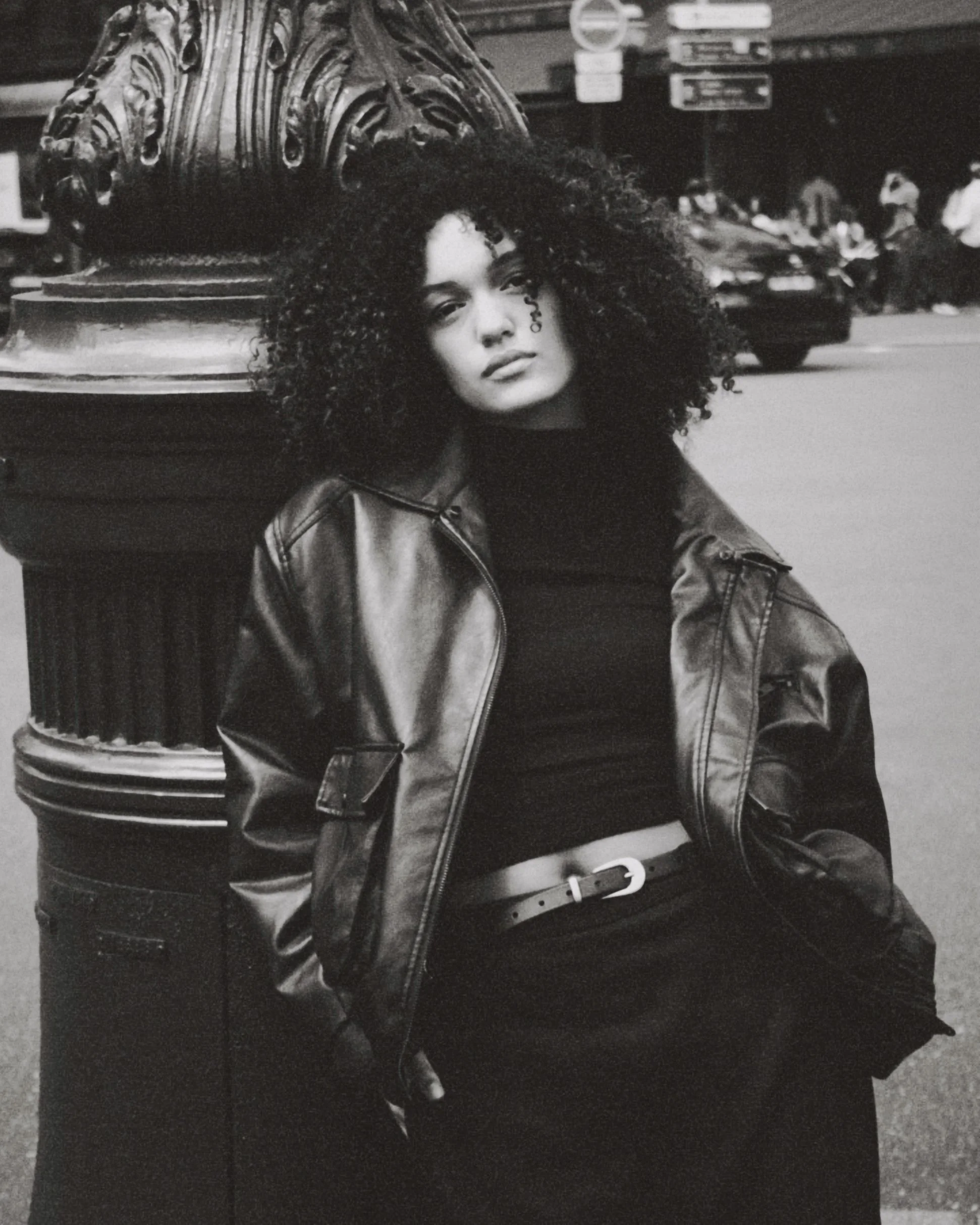
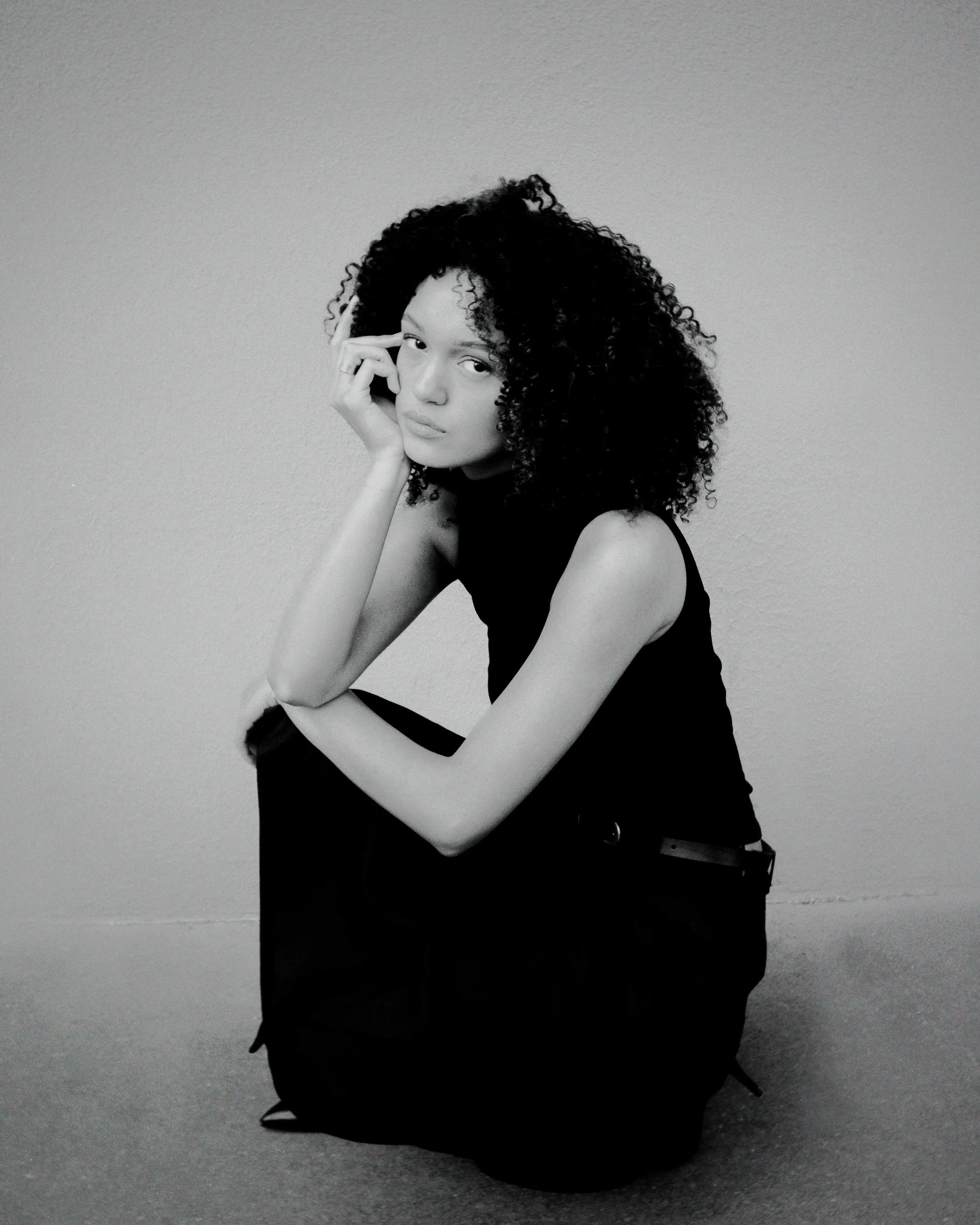
Meeting her felt different for one very special reason: this would be her first editorial shoot. There is something incredibly meaningful about photographing someone's first. It comes with a certain responsibility, to create a space where curiosity matters more than perfection, and where the experience is remembered just as much as the images.
I felt genuinely honoured that this modest yet deeply personal project resonated with Raïhanna enough for her to make it her very first editorial shoot.
As a Black mixed-race woman, do you feel that fashion has been more about expressing who you are, or perhaps correcting who people assume you are?
"Honestly, I have never really been the type of person to worry about how others might perceive me through my clothing. I do not try to fit into a particular style or image. Some days I enjoy wearing very simple outfits, while other days I love colorful or more original pieces. As long as I feel comfortable and good in what I am wearing, that is what matters most to me. I love fashion and I draw a lot of inspiration from people I see in the streets, while traveling, or on social media, but I do not feel the need to follow trends. I prefer choosing clothes that genuinely reflect my mood and personality rather than what happens to be popular at a given moment."
I was questioning it,
Not because I didn't believe her, but because I realised how accustomed I had become to thinking about fashion through defence. Throughout this project, I have spoken about stereotypes, representation, tokenism, professionalism, body image and perception. Fashion often becomes something we use to negotiate with the outside world.
Raïhana simply doesn't negotiate, not because she refuses, but I believe there is nothing to negotiate at first place for her.
It doesn't mean those perceptions disappear. I don’t think hey do. Whether we acknowledge them or not, people continue to assign meaning to the way we dress. A white shirt can be perceived as elegant on one person, too casual on another. Colour can be interpreted as joyful, childish, loud or sophisticated depending on who is wearing it.
The judgement exists independently of us.
The difference is in deciding whether we allow that judgement to influence our choices.
There was something almost liberating in her refusal to build her wardrobe around other people's assumptions. Maybe that freedom comes with youth. Maybe it comes from confidence. Or maybe it comes from understanding, very early on, that you cannot spend your life dressing for someone else's gaze.
If fashion could tell the story of your life so far, what themes would appear again and again?
"If fashion could tell the story of my life, the main theme would probably be discovering and embracing my identity. When I was younger, I did not always feel confident dressing the way I truly wanted to, and I also struggled to embrace my natural hair. My passion for fashion gradually taught me how important it is to express your identity rather than hide it. Over time, I became more confident and started wearing more original clothes that better reflect my personality. This journey also helped me accept and celebrate my curly hair by learning how to style it and seeing it as an important part of who I am. Today, fashion is a way for me to fully embrace my identity and express the different sides of my personality."
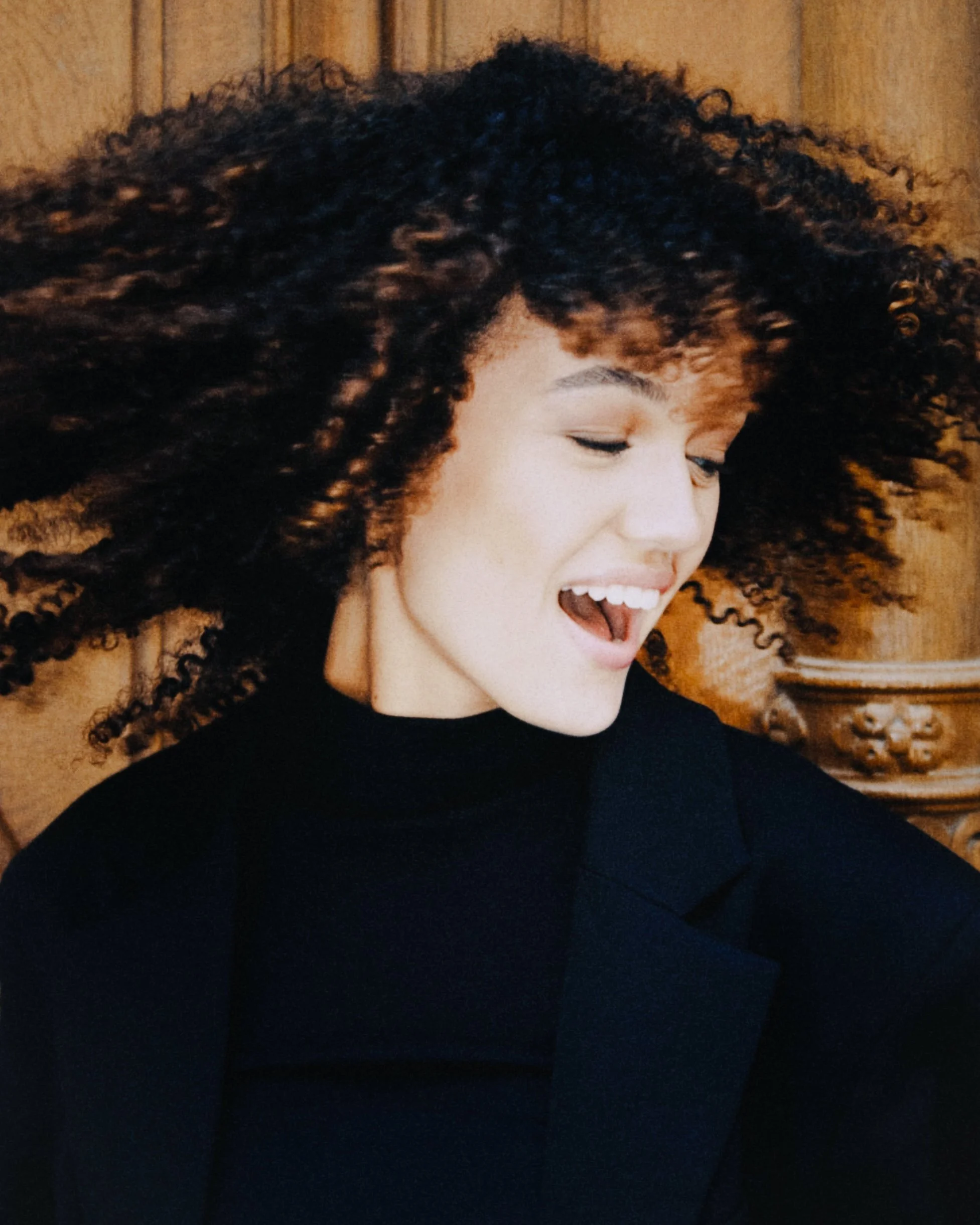
She speaks about learning to embrace her curls as part of embracing herself. At first glance, it almost sounds like an ordinary sentence. And I will focus on that.
It isn't.
Hair has always carried a particular weight for Black women.
For generations it has been politicised, judged, hidden, transformed, straightened, relaxed, criticised, celebrated, reclaimed and commercialised. Long before entering fashion, many Black girls learn that their hair will never simply be hair.
Then comes modelling.
I have lost count of the number of conversations I've had with Black models who were encouraged to shave their heads because it was "easier." Easier for agencies. Easier for clients. Easier for stylists unfamiliar with textured hair.
But easier rarely means better.
When I met Raïhana, one of the first things I noticed was her curls. Healthy, luminous, full of life. The kind of hair you immediately imagine in a haircare campaign. But my concern isn't shampoo campaigns.
It's high fashion.
Because too often, beautiful healthy hair becomes another creative resource. Bleached one season. Coloured the next. Cut. Chemically treated. Heat damaged. Then expected to recover in time for the following show.
Fashion constantly asks models to transform.
As much as Fashion as helped many people like Raïhanna and I. Sometimes I wonder how often it is asked what we want to keep and preserve.
Have you ever found yourself carefully considering how you would be perceived before getting dressed for a particular event, professional setting, or fashion space? What thoughts usually go through your mind?
"The most beautiful thing fashion has given me beyond clothing itself is a way to express myself. Through the way I dress, I can show who I am, what I love, and sometimes even tell a story. Certain pieces of clothing are especially meaningful to me because they are connected to memories or important moments in my life. I love daring to wear different things, stepping out of my comfort zone, and constantly experimenting with new outfits. This freedom of expression and creativity is what I love most about fashion."
Five women.
It sounds almost too simple to write.
Five women, four afternoons, and one morning, countless conversations, photographs, laughs, complaints about the heat, coffees, cold drinks, concerts, magazines, ADHD, hair, bodies, childhood memories, and dreams.
Somewhere along the way, I realised this project had very little to do with finding answers. Instead, I do think it became a sort of exercise in asking better questions. As I stayed in the same line of questions, some where reformulated to fit the models more.
Fashion often encourages certainty. Trends tell us what is in, what is out. The industry creates categories, measurements, aesthetics and identities that appear fixed. Yet every woman I met reminded me of the opposite.
Nothing is fixed. Confidence evolves. Identity evolves. Style evolves. And of course beauty evolves.
The more we spoke, the less interested I became in defining what a Black woman, a mixed-race woman, or a plus-size woman should look like in fashion. Those labels exist, but they cannot contain a person.
Raphaëlla , Awa, Brondy, Emma, Raïhana
None of these women cancel one another out. That is what I wish representation could become. Not one campaign every February, not one body type replacing another, not one "right" version of diversity.
Now, the question is no longer whether fashion is becoming more inclusive.
The question is: who still gets left outside the frame?
And once they are finally invited in, will they be allowed to remain entirely themselves? To stay?
I hope so.
Because after spending time with these five women, one thing feels obvious.
It needs more people.
